





Changzhou Veidt Weighing Co., Ltd. © 2022 ALL RIGHTS RESERVED Privacy Policy | Calibration Weight | Test Weights | Cast Iron Weights | Standard Weights | Laboratory Weights | XML | SITEMAP
NEWS LIST
calibration weight 200g
Saturday 14th March 2026 Back to list
In the intricate world of precision measurement, where even the tiniest deviation can disrupt entire workflows and compromise the integrity of results, a 200g calibration weight stands as a quiet yet unshakable cornerstone. Far more than a simple piece of shaped metal, this standardized mass object serves as a vital link between theoretical accuracy and practical application, bridging the gap between uncalibrated weighing equipment and reliable, consistent measurements across countless industries and settings. Whether tucked inside a laboratory case, stored in a workshop cabinet, or kept handy in a quality control station, the 200g calibration weight fulfills a purpose that extends far beyond its compact size, supporting everything from scientific research and manufacturing production to daily commercial operations and educational experimentation. Its value lies not in flashy features or complex design, but in its unwavering ability to deliver a fixed, known mass that calibrates, verifies, and validates the performance of weighing devices, ensuring that every reading generated is rooted in truth and precision.
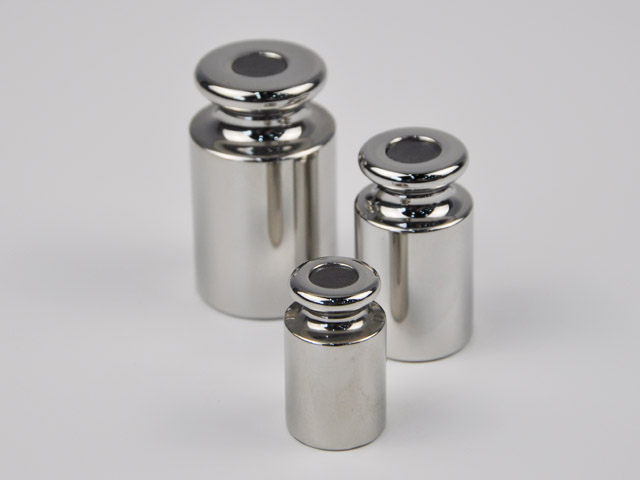
To understand the significance of the 200g calibration weight, it is first essential to grasp the fundamental need for calibration in all weighing processes. Weighing scales and balances, regardless of their type or intended use, are mechanical and electronic tools that are susceptible to drift over time. Factors such as regular use, environmental changes—including fluctuations in temperature, humidity, and air pressure—minor physical impacts, and even normal wear and tear can alter the internal mechanisms of these devices, causing their readings to skew away from the actual mass of objects being weighed. Without a reliable reference point to correct this drift, scales and balances become unreliable, producing data that is inaccurate, inconsistent, and ultimately useless for any task that demands precision. This is where calibration weights come into play, and the 200g variant holds a unique position among standard mass references due to its versatility and widespread applicability. It strikes a perfect balance between being large enough to calibrate mid-range weighing equipment and compact enough to be easily handled, stored, and transported, making it a staple in nearly every setting where accurate weighing is non-negotiable.
The physical composition of a high-quality 200g calibration weight is engineered to preserve its mass integrity over extended periods, a critical trait that ensures its long-term reliability. Typically crafted from dense, corrosion-resistant metals that maintain a stable density and resist environmental degradation, these weights are designed to minimize the impact of external factors that could alter their mass. Smooth, polished surfaces prevent the accumulation of dust, dirt, and moisture, which can add negligible but impactful extra weight over time and throw off calibration results. The manufacturing process prioritizes uniformity and precision, with each weight machined to meet strict dimensional and mass standards, free from imperfections that could compromise its performance. Unlike generic metal objects or makeshift weights, a dedicated 200g calibration weight is not subject to random variations in mass; it is a meticulously crafted reference that remains consistent, shift after shift, use after use. This stability is what makes it trustworthy for calibrating a wide range of weighing equipment, from precision laboratory balances used in scientific testing to compact bench scales used in small-scale production and retail environments.
One of the most prominent domains where the 200g calibration weight proves invaluable is scientific research and laboratory work. In laboratories across disciplines—chemistry, biology, physics, pharmaceuticals, and materials science—accurate weighing is the foundation of every experiment, analysis, and test. A single milligram of error in measuring a chemical reagent can skew experimental results, leading to flawed conclusions, wasted resources, and delayed progress. For laboratory balances that operate within mid-range weight capacities, the 200g calibration weight is the go-to reference for routine calibration and performance checks. Before conducting sensitive experiments, researchers rely on this weight to verify that their balances are functioning correctly, resetting the device’s internal settings to align with the known 200g mass. This step is not a mere formality; it is a critical quality control measure that safeguards the validity of scientific data. Whether testing new compounds, analyzing sample compositions, or preparing precise solutions, the 200g calibration weight ensures that the weighing step—often the first and most foundational part of the process—is free from avoidable error, allowing researchers to trust the data they collect and build upon their findings with confidence.
Beyond the controlled environment of the laboratory, the 200g calibration weight plays an equally vital role in industrial and manufacturing settings, where consistent weighing directly impacts product quality, production efficiency, and operational compliance. Manufacturing facilities rely on accurate weighing for raw material dosing, component inspection, finished product testing, and inventory management. In sectors such as food and beverage production, cosmetics manufacturing, and small-part industrial production, even minor inaccuracies in ingredient or component weight can lead to defective products, wasted materials, and increased operational costs. For example, in a facility producing small consumer goods, using an uncalibrated scale to measure components could result in batches that do not meet internal quality standards, requiring rework or disposal. The 200g calibration weight provides a quick, effective way to calibrate production scales regularly, ensuring that every measurement aligns with required specifications. It also supports routine equipment maintenance checks, allowing technicians to identify drift or malfunctions early before they disrupt production lines. This proactive use of calibration weights helps manufacturers maintain high product quality, reduce waste, and streamline operations, contributing to overall operational stability and reliability.
The 200g calibration weight also holds a crucial place in commercial and retail environments, where fair and accurate weighing is essential for transparency and customer trust. From specialty stores selling precious materials to small retail shops packaging goods by weight, businesses depend on calibrated scales to ensure that customers receive the exact quantity they pay for, and that inventory records remain accurate. Uncalibrated scales can lead to unintentional overcharging or undercharging, eroding customer confidence and creating discrepancies in inventory tracking. The compact size of the 200g calibration weight makes it easy for retail staff to perform quick calibration checks at the start of each shift, ensuring that point-of-sale scales are accurate throughout the day. This simple practice not only upholds ethical business practices but also helps businesses avoid operational headaches caused by inaccurate weight readings, such as inventory shortages or customer disputes. In this context, the 200g calibration weight is more than a technical tool; it is a symbol of fairness and reliability, reinforcing the bond between businesses and their customers through consistent, accurate measurement.
Educational institutions also benefit greatly from the accessibility and utility of the 200g calibration weight, using it to teach students the principles of measurement, precision, and scientific integrity. In classrooms and lab settings, students learning basic chemistry, physics, and general science rely on calibration weights to understand the importance of accurate measurement and the proper use of weighing equipment. The 200g weight is an ideal teaching tool because it is easy for students to handle, fits the range of scales commonly used in educational labs, and provides a clear, tangible reference for learning about mass and calibration. By using this weight to calibrate scales and verify measurements, students gain hands-on experience with scientific best practices, learning to prioritize accuracy and precision in their work. This foundational knowledge translates beyond the classroom, preparing students for future academic pursuits and professional careers where reliable measurement skills are essential. The 200g calibration weight thus plays a quiet role in shaping the next generation of scientists, technicians, and professionals, instilling in them a respect for precision that will guide their work throughout their lives.
Proper handling and care of a 200g calibration weight are essential to preserving its accuracy and extending its usable life, as even small mishandling can compromise its fixed mass. Unlike ordinary objects, calibration weights require gentle, deliberate handling to avoid scratches, dents, or contamination that could alter their weight. Users should always handle the weight with clean, dry hands or wear protective gloves to prevent the transfer of oils, dirt, or moisture onto its surface. When not in use, the 200g calibration weight should be stored in a dedicated, protective case that shields it from dust, moisture, and physical damage, keeping it separate from other tools and materials to prevent accidental bumps or scratches. It should be kept in a stable environment with moderate temperature and humidity, avoiding exposure to extreme conditions that could cause the metal to expand, contract, or corrode. Regular gentle cleaning with a soft, lint-free cloth can remove any surface debris without damaging the finish, ensuring that the weight remains free of foreign particles that could add unwanted mass. By following these simple care practices, users can maintain the integrity of the 200g calibration weight for years, ensuring that it continues to deliver reliable, consistent calibration results whenever it is needed.
Another key advantage of the 200g calibration weight is its adaptability across different types of weighing equipment, making it a versatile addition to any toolkit of measurement supplies. It can be used to calibrate digital analytical balances, mechanical beam scales, bench top scales, and portable pocket scales, among others, as long as the device’s weighing capacity includes the 200g range. This versatility eliminates the need for multiple specialized weights for different equipment, streamlining measurement workflows and reducing clutter in workspaces. Whether calibrating a high-precision balance in a research lab or a compact scale in a field setting, the 200g weight delivers consistent performance, adapting to the unique needs of each device and environment. This flexibility makes it a cost-effective, practical choice for professionals and hobbyists alike, offering reliable calibration capabilities without the need for excessive specialized equipment.
In a world that increasingly relies on data-driven decision-making, the role of accurate measurement cannot be overstated, and the 200g calibration weight stands as a silent champion of this accuracy. It is a testament to the idea that precision begins with a reliable reference point, and that even the most advanced weighing equipment is only as good as the calibration that guides it. Without standardized calibration weights like the 200g variant, the lines between accurate and inaccurate, reliable and unreliable, would blur, leading to chaos in scientific research, inconsistencies in manufacturing, unfairness in commerce, and gaps in education. Every time a 200g calibration weight is placed on a scale to calibrate it, it reinforces the commitment to quality, truth, and precision that underpins modern industry, science, and daily life.
It is also important to recognize that the 200g calibration weight is not just a tool for correcting errors, but a preventative measure that stops inaccuracies before they occur. Regular calibration with this weight creates a culture of precision in workplaces and learning environments, encouraging users to prioritize accuracy and take proactive steps to maintain equipment performance. This mindset shift is invaluable, as it reduces the risk of costly mistakes, improves overall work quality, and fosters a sense of accountability in every task that involves weighing. Whether used in a high-stakes laboratory experiment, a fast-paced production line, a customer-focused retail store, or a hands-on classroom, the 200g calibration weight empowers users to take control of their measurement processes, ensuring that results are not just numbers, but meaningful, trustworthy data.
As technology continues to advance and weighing equipment becomes more sophisticated, the need for reliable calibration references remains unchanged, and the 200g calibration weight retains its relevance. Newer scales may feature digital interfaces, automated functions, and enhanced sensitivity, but they still require a fixed, known mass to calibrate their internal systems and validate their readings. The 200g weight’s simple, timeless design and consistent performance make it compatible with both traditional and modern weighing equipment, proving that some of the most essential tools are those that prioritize function and reliability over unnecessary complexity. It is a reminder that innovation in measurement technology does not replace the need for foundational calibration tools, but rather reinforces their importance, as even the most advanced devices depend on accurate references to perform at their best.
In conclusion, the 200g calibration weight is an unsung hero in the realm of precision measurement, offering unwavering reliability, versatile functionality, and timeless value across countless applications. From scientific laboratories pushing the boundaries of knowledge to manufacturing facilities producing quality goods, from retail businesses upholding fair trade to educational institutions nurturing future minds, this compact mass reference plays a pivotal role in maintaining accuracy and integrity. Its steady, unchanging mass provides the foundation for trustworthy weighing, correcting drift, preventing errors, and ensuring that every measurement is grounded in precision. Properly cared for and consistently used, the 200g calibration weight becomes an indispensable part of any operation that values accuracy, serving as a constant reminder that true progress and quality start with getting the small, foundational details right. In a world that demands precision, the 200g calibration weight is not just a tool—it is a promise of reliability, a commitment to accuracy, and an essential pillar of measurable success.
