





Changzhou Veidt Weighing Co., Ltd. © 2022 ALL RIGHTS RESERVED Privacy Policy | Calibration Weight | Test Weights | Cast Iron Weights | Standard Weights | Laboratory Weights | XML | SITEMAP
NEWS LIST
astm class 1 calibration weights
Friday 02nd January 2026 Back to list
In the realm of precision measurement, the accuracy of instruments directly hinges on the reliability of reference standards. Among these standards, calibration weights stand as indispensable tools, ensuring that scales, balances, and other weighing equipment perform within acceptable tolerance levels. ASTM Class 1 calibration weights, in particular, represent a high tier of precision, designed to meet the rigorous demands of laboratory, industrial, and research environments where even the smallest deviation can lead to significant consequences.
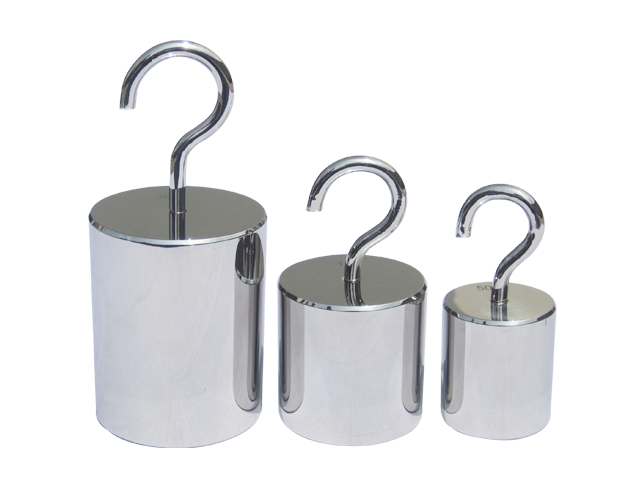
To fully appreciate the significance of ASTM Class 1 calibration weights, it is essential to first understand the framework that defines their classification. Calibration weights are categorized based on their tolerance levels, material composition, and intended use, with different classes tailored to specific precision requirements. ASTM standards, developed by the American Society for Testing and Materials, provide a comprehensive set of guidelines for the manufacturing, testing, and performance of calibration weights. Unlike lower classes such as ASTM Class 2 or Class 3, which are suited for general industrial or commercial applications, ASTM Class 1 weights are engineered for high-precision tasks, characterized by extremely tight tolerance ranges. This tight tolerance ensures that when used to calibrate weighing instruments, the margin of error is minimized, making them ideal for environments where measurement accuracy is paramount.
One of the defining features of ASTM Class 1 calibration weights is their material selection. Typically, these weights are crafted from high-purity materials such as stainless steel, brass, or aluminum, each chosen for its unique properties that contribute to precision and durability. Stainless steel is a common choice due to its resistance to corrosion, which helps maintain the weight’s mass over time. Corrosion can alter the mass of a weight, rendering it inaccurate, so the use of corrosion-resistant materials is critical for preserving long-term reliability. Brass, on the other hand, offers excellent machinability, allowing for intricate shaping and precise mass adjustment during manufacturing. Aluminum is sometimes used for larger ASTM Class 1 weights due to its lighter weight relative to other metals, making handling easier without compromising on structural integrity. Regardless of the material, the manufacturing process of ASTM Class 1 weights involves rigorous quality control measures, including precision machining, polishing, and mass verification, to ensure that each weight meets the exact specifications outlined in the ASTM standards.
The tolerance ranges of ASTM Class 1 calibration weights are a key differentiator from lower classes. Tolerance refers to the maximum allowable deviation from the nominal mass of the weight. For example, a 100-gram ASTM Class 1 weight has a much smaller allowable tolerance than a 100-gram ASTM Class 2 weight. This tight tolerance is achieved through advanced manufacturing techniques and meticulous testing. During production, each weight is individually calibrated and verified to ensure that its actual mass falls within the specified tolerance range. This level of precision is necessary for calibrating high-accuracy weighing instruments such as analytical balances, which are capable of measuring masses down to the microgram level. Without the use of a high-precision calibration weight like ASTM Class 1, the accuracy of these instruments cannot be guaranteed, leading to erroneous measurements that can impact research outcomes, product quality, and regulatory compliance.
The applications of ASTM Class 1 calibration weights span across a wide range of industries and environments, all of which demand the highest level of measurement accuracy. One of the primary applications is in laboratory settings, where analytical balances and precision scales are used for chemical analysis, pharmaceutical research, and material science experiments. In chemical analysis, for instance, the accurate measurement of reagents is critical for ensuring the validity of experimental results. A slight deviation in the mass of a reagent can alter the outcome of a reaction, leading to incorrect conclusions. ASTM Class 1 weights are used to calibrate these balances regularly, ensuring that they provide accurate and consistent measurements. Similarly, in pharmaceutical research, the precise measurement of active ingredients is essential for developing safe and effective drugs. Calibration with ASTM Class 1 weights helps maintain the integrity of these measurements, ensuring that pharmaceutical products meet the required quality standards.
Another key application of ASTM Class 1 calibration weights is in the manufacturing sector, particularly in industries that produce high-precision components or products where weight is a critical quality parameter. For example, in the aerospace industry, the weight of components such as aircraft parts, spacecraft components, and engine parts must be measured with extreme accuracy to ensure optimal performance and safety. Even a small excess in weight can affect the aerodynamics and fuel efficiency of an aircraft, while a deficit can compromise structural integrity. ASTM Class 1 weights are used to calibrate the weighing equipment used in the production and inspection of these components, ensuring that each part meets the strict weight specifications. Similarly, in the electronics industry, the accurate measurement of small components such as microchips and circuit boards is essential for ensuring their functionality. Calibration with ASTM Class 1 weights helps maintain the accuracy of the weighing instruments used in these applications, preventing defects and ensuring product reliability.
ASTM Class 1 calibration weights also play a crucial role in the field of metrology, the science of measurement. Metrology laboratories are responsible for maintaining and disseminating measurement standards, ensuring that measurements across different sectors are consistent and accurate. These laboratories use ASTM Class 1 weights as reference standards to calibrate other calibration weights of lower classes, creating a hierarchy of measurement standards that extends from national metrology institutes to industrial and commercial laboratories. This hierarchy ensures that measurement accuracy is maintained throughout the supply chain, from the production of raw materials to the delivery of finished products. Without the use of high-precision reference standards like ASTM Class 1 weights, the consistency of measurements across different organizations and regions would be compromised, leading to trade barriers, quality control issues, and a lack of trust in measurement results.
Proper handling and maintenance of ASTM Class 1 calibration weights are essential for preserving their accuracy and extending their service life. Due to their high precision, these weights are highly sensitive to external factors such as dirt, moisture, corrosion, and physical damage. Even minor contamination or damage can alter the mass of the weight, rendering it inaccurate. Therefore, it is critical to follow strict handling protocols when using and storing ASTM Class 1 weights. One of the most important guidelines is to handle the weights with clean, dry hands or with the use of tweezers, gloves, or weight handling tools. This prevents the transfer of oils, dirt, or moisture from the skin to the weight, which can accumulate over time and change the weight’s mass.
Storage conditions are also a key factor in maintaining the integrity of ASTM Class 1 calibration weights. The weights should be stored in a clean, dry, and temperature-controlled environment, away from sources of moisture, dust, and corrosive substances. Extreme temperatures and humidity can cause the material of the weight to expand or contract, leading to temporary or permanent changes in mass. Therefore, the storage area should be maintained at a stable temperature, ideally between 18°C and 22°C, and a relative humidity of 40% to 60%. Additionally, the weights should be stored in their original cases or in dedicated storage containers that provide protection from physical damage. Each weight should be placed in its own compartment to prevent scratching or chipping, which can alter the mass.
Regular cleaning and calibration verification are also essential for maintaining the accuracy of ASTM Class 1 calibration weights. The weights should be cleaned regularly using a mild detergent and a soft cloth or brush, followed by thorough rinsing and drying. Abrasive cleaning materials should be avoided, as they can scratch the surface of the weight and alter its mass. Additionally, the weights should be periodically verified for accuracy by comparing them to a reference standard of known accuracy. The frequency of verification depends on the frequency of use, the storage conditions, and the specific requirements of the application. In general, ASTM Class 1 weights should be verified at least once a year, or more frequently if they are used heavily or stored in harsh conditions. If a weight is found to be outside the specified tolerance range, it should be re-calibrated or replaced to ensure that it continues to provide accurate measurements.
The importance of ASTM Class 1 calibration weights in upholding measurement integrity cannot be overstated. In today’s globalized economy, where products and services are traded across borders, consistent and accurate measurements are essential for ensuring fair trade, product quality, and consumer safety. ASTM Class 1 weights provide the foundation for these measurements, ensuring that weighing instruments across various sectors are calibrated to a high level of accuracy. Without these weights, the reliability of measurements would be compromised, leading to a host of problems such as defective products, incorrect research results, and non-compliance with regulatory requirements.
Furthermore, the use of ASTM Class 1 calibration weights contributes to the advancement of science and technology. In research laboratories, accurate measurements are essential for making new discoveries and developing innovative technologies. For example, in the field of nanotechnology, where measurements are conducted at the atomic and molecular level, the use of high-precision calibration weights is critical for ensuring the accuracy of experimental results. Similarly, in the field of medicine, accurate measurements of drugs and biological samples are essential for developing new treatments and improving patient care. ASTM Class 1 weights help maintain the accuracy of the weighing instruments used in these applications, enabling researchers and medical professionals to make informed decisions based on reliable data.
When selecting ASTM Class 1 calibration weights, several factors should be considered to ensure that they are suitable for the intended application. First, the nominal mass of the weight should match the range of the weighing instrument being calibrated. It is important to select a set of weights that covers the full range of the instrument to ensure accurate calibration across all measurement points. Second, the material of the weight should be compatible with the environment in which it will be used. For example, if the weight will be used in a corrosive environment, a stainless steel weight is a better choice than a brass weight. Third, the tolerance range of the weight should be appropriate for the precision requirements of the application. ASTM Class 1 weights have tight tolerance ranges, but it is important to ensure that the tolerance is sufficient for the specific instrument being calibrated.
In conclusion, ASTM Class 1 calibration weights are essential tools for maintaining precision and accuracy in measurement across a wide range of industries and applications. Their high-precision design, strict tolerance ranges, and durable construction make them ideal for use in laboratories, manufacturing facilities, metrology institutes, and research environments where measurement integrity is critical. Proper handling, storage, and maintenance of these weights are essential for preserving their accuracy and extending their service life, ensuring that they continue to provide reliable reference standards for years to come. As the demand for high-precision measurements continues to grow in today’s technological and globalized world, the role of ASTM Class 1 calibration weights in upholding measurement standards and driving innovation will remain indispensable.
