





Changzhou Veidt Weighing Co., Ltd. © 2022 ALL RIGHTS RESERVED Privacy Policy | Calibration Weight | Test Weights | Cast Iron Weights | Standard Weights | Laboratory Weights | XML | SITEMAP
NEWS LIST
20kg weights
Friday 02nd January 2026 Back to list
In the realm of fitness equipment, few items boast the versatility and accessibility of 20kg weights. Whether you’re a seasoned gym enthusiast, a home workout beginner, or someone simply looking to incorporate more physical activity into daily life, these weights stand as a reliable companion. Unlike specialized machines that limit movement patterns or require significant space, 20kg weights adapt to a wide range of exercises, catering to strength building, endurance training, and functional fitness alike. Their moderate weight makes them neither overly intimidating for newcomers nor insufficient for advanced users, striking a balance that has solidified their place in countless fitness routines worldwide.
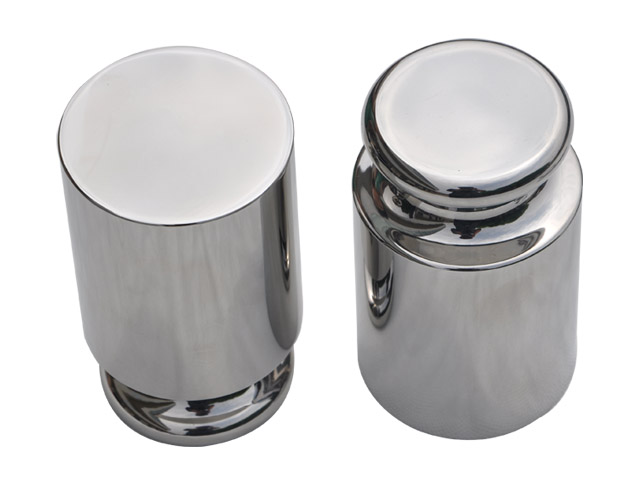
Before delving into the practical aspects, it’s worth understanding why 20kg weights have become such a staple. Weight training, in general, offers a plethora of physical benefits, from increasing muscle mass and bone density to boosting metabolism and improving cardiovascular health. What sets 20kg weights apart is their adaptability to different fitness levels. For those new to strength training, 20kg provides enough resistance to challenge the muscles without risking injury due to excessive load. As fitness levels progress, these weights can be integrated into more complex movements or used in higher-volume sets to maintain the challenge. For advanced lifters, 20kg weights serve as valuable tools for warm-ups, accessory work, or targeting specific muscle groups that require lighter loads for precision. This scalability ensures that 20kg weights remain relevant throughout an individual’s fitness journey, eliminating the need for frequent equipment upgrades and fostering long-term consistency.
One of the most compelling advantages of 20kg weights is their ability to support functional fitness training. Functional fitness focuses on movements that mimic everyday activities, such as lifting, carrying, pushing, and pulling, thereby improving overall mobility and strength that translates to real-life scenarios. 20kg weights are ideal for this purpose because their weight closely resembles common objects people lift regularly—whether it’s a heavy suitcase, a stack of boxes, or a child. Exercises like squats with 20kg dumbbells, bent-over rows, or shoulder presses not only build muscle but also enhance core stability and coordination, making daily tasks easier and reducing the risk of injury. Unlike isolation exercises that target a single muscle group, functional movements with 20kg weights engage multiple muscle groups simultaneously, creating a more efficient and holistic workout experience.
For home workout enthusiasts, 20kg weights are a game-changer. The constraints of home gyms—limited space, budget, and equipment variety—often make it challenging to design effective routines. However, a pair of 20kg dumbbells or a single 20kg kettlebell can replace multiple machines, allowing for a full-body workout without cluttering the space. From upper-body exercises like bicep curls, tricep dips (using weights for added resistance), and chest presses to lower-body movements such as lunges, deadlifts, and step-ups, 20kg weights cover all major muscle groups. This versatility means that even with minimal equipment, individuals can maintain a consistent and comprehensive training routine, eliminating the need for expensive gym memberships or bulky machinery. Additionally, the portability of 20kg weights allows for outdoor workouts, adding variety to the routine and making fitness more accessible for those who prefer training in nature.
Strength building is another area where 20kg weights excel. Muscle hypertrophy, or the growth of muscle fibers, occurs when muscles are subjected to a sufficient amount of resistance. 20kg weights provide an optimal load for targeting major muscle groups such as the quads, glutes, chest, back, and shoulders. For example, performing 3 sets of 8-12 reps of 20kg dumbbell squats challenges the lower body, stimulating muscle growth over time. Similarly, 20kg bent-over rows target the latissimus dorsi, rhomboids, and biceps, strengthening the upper back and improving posture. What’s important is that 20kg weights allow for progressive overload—a key principle of strength training—by adjusting the number of reps, sets, or rest periods. As the muscles adapt to the load, increasing the number of reps or reducing rest time maintains the challenge, ensuring continuous progress. For those looking to build maximal strength, 20kg weights can be used in lower rep ranges (4-6 reps) with longer rest periods, while higher rep ranges (15-20 reps) are ideal for muscular endurance.
Endurance training is often associated with cardio exercises like running or cycling, but 20kg weights can play a significant role in building muscular endurance. Muscular endurance refers to the ability of a muscle or group of muscles to perform repeated contractions over an extended period without fatigue. Incorporating 20kg weights into high-rep, low-rest routines helps improve this capacity. For instance, a circuit consisting of 20kg shoulder presses, squats, and rows, performed for 30 seconds per exercise with 15 seconds of rest, challenges both muscular endurance and cardiovascular fitness. This type of training is particularly beneficial for athletes participating in sports that require sustained effort, such as soccer, basketball, or long-distance running, as well as for individuals looking to improve their overall stamina for daily activities.
Proper form is crucial when using 20kg weights to avoid injury and maximize the effectiveness of each exercise. Many people, especially beginners, make the mistake of prioritizing heavy weights over correct form, which can lead to strains, sprains, or more serious injuries. When performing any exercise with 20kg weights, it’s essential to start with a warm-up to increase blood flow to the muscles and loosen the joints. A 5-10 minute warm-up consisting of dynamic stretches, such as arm circles, leg swings, or bodyweight squats, prepares the body for the workout ahead. During the exercise, maintaining a neutral spine, engaging the core, and moving slowly and controlled are key. For example, when doing 20kg deadlifts, hinge at the hips, keep the back straight, and lift with the legs rather than the lower back. If an exercise feels too challenging to perform with proper form, it’s better to reduce the weight or modify the movement rather than compromise on technique. Additionally, listening to the body and taking rest days when needed is important to allow for muscle recovery and prevent overtraining.
To illustrate the versatility of 20kg weights, let’s explore a sample full-body workout routine that can be performed at home or in the gym. This routine targets all major muscle groups and combines strength and endurance training:
1. 20kg Dumbbell Squats: 3 sets of 10-12 reps. Stand with feet shoulder-width apart, holding a 20kg dumbbell in each hand at shoulder height. Hinge at the hips and knees, lowering the body until the thighs are parallel to the floor, then push back up to the starting position. This exercise targets the quads, glutes, and core.
2. 20kg Bent-Over Rows: 3 sets of 10 reps per arm. Hinge forward at the hips, keeping the back straight, and hold a 20kg dumbbell in one hand. Pull the dumbbell up toward the chest, squeezing the shoulder blade, then lower it back down slowly. This targets the upper back and biceps.
3. 20kg Dumbbell Chest Press: 3 sets of 10 reps. Lie on a bench or the floor, holding a 20kg dumbbell in each hand at chest level. Push the dumbbells up toward the ceiling, extending the arms fully, then lower them back down. This works the chest, shoulders, and triceps.
4. 20kg Lunges: 3 sets of 8 reps per leg. Stand with feet together, holding a 20kg dumbbell in each hand. Step forward with one leg, lowering the body until both knees are bent at 90-degree angles, then push back up to the starting position. This targets the quads, glutes, and hamstrings.
5. 20kg Shoulder Press: 3 sets of 10 reps. Stand with feet shoulder-width apart, holding a 20kg dumbbell in each hand at shoulder height. Push the dumbbells up toward the ceiling, extending the arms fully, then lower them back down. This works the shoulders and triceps.
6. 20kg Plank Rows: 3 sets of 8 reps per arm. Start in a high plank position, holding a 20kg dumbbell in each hand. Pull one dumbbell up toward the chest, keeping the core engaged and the hips stable, then lower it back down. This targets the core, upper back, and shoulders.
Rest for 60-90 seconds between sets to allow for muscle recovery while maintaining the challenge. This routine can be modified based on fitness level—beginners can reduce the number of reps or sets, while advanced users can increase the number of reps, reduce rest time, or add additional exercises.
Beyond structured workouts, 20kg weights can be integrated into daily life to increase physical activity. For example, carrying a 20kg weight while walking up stairs adds resistance to the lower body, turning a simple daily task into a mini-workout. Similarly, using 20kg weights to perform squats while brushing teeth or waiting for the kettle to boil helps incorporate fitness into busy schedules. These small, consistent efforts add up over time, contributing to overall fitness and well-being.
It’s important to note that while 20kg weights are versatile, they are not a one-size-fits-all solution. Individuals with specific health conditions, such as joint pain, back problems, or mobility issues, should consult a healthcare professional or certified fitness trainer before incorporating 20kg weights into their routine. A trainer can provide personalized guidance on proper form, exercise modifications, and a training plan that aligns with individual goals and limitations. Additionally, as fitness levels progress, some individuals may need to increase the weight to continue challenging their muscles, while others may find that 20kg remains an optimal load for their goals.
In conclusion, 20kg weights are a valuable addition to any fitness routine, offering versatility, accessibility, and adaptability to different fitness levels and goals. Whether used for strength building, endurance training, functional fitness, or integrated into daily life, these weights provide a simple yet effective way to improve physical health and well-being. By prioritizing proper form, modifying routines to suit individual needs, and maintaining consistency, anyone can harness the power of 20kg weights to elevate their fitness journey. In a world where fitness equipment often becomes overly complex and expensive, 20kg weights remind us that effective workouts don’t require fancy machines—just dedication, proper technique, and a reliable set of weights.
