





Changzhou Veidt Weighing Co., Ltd. © 2022 ALL RIGHTS RESERVED Privacy Policy | Calibration Weight | Test Weights | Cast Iron Weights | Standard Weights | Laboratory Weights | XML | SITEMAP
NEWS LIST
1kg cast iron weight
Monday 29th December 2025 Back to list
In the realm of measurement and precision, few tools are as unassuming yet indispensable as the 1kg cast iron weight. Often overlooked in favor of more complex technological instruments, this simple object plays a critical role in countless industries, scientific endeavors, and even everyday tasks. Cast iron, with its unique combination of durability, density, and affordability, makes it the ideal material for crafting weights that demand reliability and consistency.
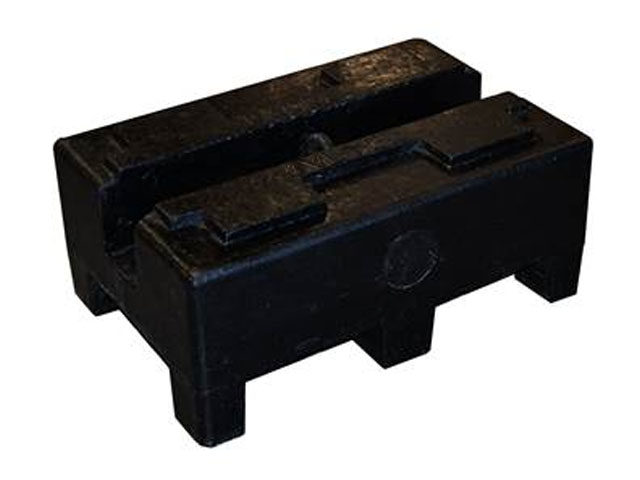
To understand the value of the 1kg cast iron weight, it is first essential to appreciate the inherent qualities of cast iron as a material. Cast iron is an alloy primarily composed of iron, carbon, and silicon, with carbon content ranging between 2% and 4%. This composition gives it several key characteristics that make it superior to other materials for weight production. Unlike aluminum, which is lightweight and prone to deformation, cast iron boasts high density—typically around 7.2 grams per cubic centimeter—allowing for a compact size relative to its mass. A 1kg cast iron weight, for instance, is significantly smaller than a 1kg aluminum weight, making it easier to store, handle, and integrate into various measurement setups.
Durability is another standout feature of cast iron. The material is highly resistant to wear, corrosion, and mechanical stress, ensuring that the weight retains its mass over extended periods of use. Unlike weights made of plastic or low-grade metals, which may chip, crack, or degrade when exposed to harsh environments, cast iron weights can withstand extreme temperatures, moisture, and repeated handling without compromising their accuracy. This longevity is particularly crucial in settings where measurements must be consistent over months or even years, such as in industrial quality control or scientific laboratories.
The manufacturing process of a 1kg cast iron weight is a testament to the precision required to produce a tool that relies on exact mass. The process begins with the selection of high-quality cast iron alloy, as impurities or variations in composition can affect the material’s density and, consequently, the weight’s accuracy. The alloy is melted in a furnace at temperatures exceeding 1,300 degrees Celsius, ensuring complete liquefaction and uniformity. Once molten, the cast iron is poured into prefabricated molds that are designed to the exact dimensions needed to achieve a 1kg mass. These molds are typically made of sand, metal, or ceramic, depending on the desired finish and precision level.
After casting, the weight undergoes a series of cooling and finishing processes to refine its shape and ensure accuracy. The cooling phase is carefully controlled to prevent thermal stress, which can lead to cracks or warping. Once cooled, the weight is removed from the mold and subjected to machining operations, such as grinding or turning, to smooth any rough edges and adjust its mass to the precise 1kg standard. This machining step is critical, as even minor deviations in mass can render the weight ineffective for precision applications. Finally, the weight may be treated with a protective coating, such as paint or a rust-inhibiting finish, to enhance its resistance to corrosion and extend its lifespan.
One of the most prominent applications of the 1kg cast iron weight is in calibration— the process of adjusting measuring instruments to ensure their accuracy. From kitchen scales and bathroom scales to industrial balances and laboratory equipment, nearly all devices that measure mass require regular calibration using standardized weights. A 1kg cast iron weight serves as a reference point, allowing technicians to verify that a scale or balance is providing correct readings. For example, in a commercial bakery, a 1kg cast iron weight is used to calibrate the scale that measures flour and other ingredients, ensuring that each batch of baked goods meets the required specifications. Similarly, in a medical laboratory, the weight is used to calibrate analytical balances that measure small quantities of samples, where even a slight error can have significant consequences for test results.
Beyond calibration, the 1kg cast iron weight plays a vital role in industrial manufacturing and quality control. In production facilities, weights are used to test the performance and reliability of various products. For instance, in the automotive industry, 1kg cast iron weights may be attached to components such as door hinges or window regulators to simulate the forces they will encounter during normal use. This testing ensures that the components can withstand repeated stress without failing. In the construction industry, the weight is used to test the strength of materials like concrete or steel, helping engineers ensure that structures are safe and durable. Additionally, in the packaging industry, 1kg cast iron weights are used to verify that packaging machines are dispensing the correct amount of product, reducing waste and ensuring customer satisfaction.
The 1kg cast iron weight also has numerous applications in education and scientific research. In physics classrooms, it is a fundamental tool for demonstrating concepts such as mass, force, and gravity. Students use the weight to conduct experiments on friction, acceleration, and simple machines, gaining hands-on experience with basic physical principles. In scientific research, the weight is used in a wide range of studies, from material science to environmental research. For example, in studies on soil density, researchers may use 1kg cast iron weights to measure the compaction of soil samples. In fluid dynamics, the weight can be used to test the buoyancy of different materials. The consistency and reliability of the 1kg cast iron weight make it an essential tool for ensuring that experimental results are accurate and reproducible.
Everyday life also benefits from the 1kg cast iron weight, albeit in less obvious ways. Many home cooks and bakers use kitchen scales calibrated with 1kg weights to ensure precise measurements of ingredients, which is crucial for achieving consistent results in baking. Fitness enthusiasts may use 1kg cast iron weights as part of their workout routines, either as standalone weights for light exercises or as part of a set for progressive resistance training. Additionally, the weight is used in various household tools and appliances, such as torque wrenches, which require calibrated weights to ensure accurate torque measurements for tasks like tightening bolts or assembling furniture.
Proper maintenance of a 1kg cast iron weight is essential to preserve its accuracy and longevity. While cast iron is durable, it is not entirely immune to damage or degradation. One of the most important maintenance practices is keeping the weight clean and free of debris. Dust, dirt, or moisture can accumulate on the surface of the weight, adding to its mass and skewing measurements. Regular cleaning with a dry cloth or a mild cleaning solution (followed by thorough drying) can prevent this buildup. It is also important to store the weight in a dry, cool environment to avoid rust and corrosion. If the weight does develop rust, it should be gently cleaned with a wire brush or sandpaper, and a fresh coat of protective finish should be applied to prevent further damage.
Another key aspect of maintenance is regular verification of the weight’s mass. Over time, even the most durable cast iron weights may experience minor changes in mass due to wear, corrosion, or accidental damage. Periodic testing using a calibrated balance or a set of reference weights can ensure that the 1kg cast iron weight remains within acceptable tolerance levels. If the weight is found to be outside the tolerance range, it may need to be re-machined or replaced to maintain accuracy. This verification process is particularly important in critical applications such as laboratory research or industrial quality control, where precise measurements are non-negotiable.
The impact of the 1kg cast iron weight extends beyond its individual applications, playing a crucial role in maintaining standardization and consistency across global industries. In a world where products and services are increasingly globalized, having a common reference for mass is essential for trade, communication, and quality assurance. The 1kg cast iron weight, as a tangible representation of the kilogram standard, helps ensure that measurements taken in one part of the world are compatible with those taken in another. This standardization is vital for industries such as pharmaceuticals, where the dosage of medications must be precise and consistent regardless of where they are manufactured. It also facilitates international trade by ensuring that products meet the same quality and safety standards across borders.
Despite the advent of digital and electronic measurement tools, the 1kg cast iron weight remains irreplaceable in many contexts. Electronic scales and balances are certainly convenient, but they rely on calibration with physical weights to maintain accuracy. In situations where power is unavailable or electronic equipment is impractical, cast iron weights provide a reliable backup. Additionally, the simplicity of cast iron weights makes them less prone to malfunctions than electronic devices, making them ideal for use in harsh or remote environments, such as mining sites, construction zones, or field research locations.
Looking to the future, the 1kg cast iron weight is likely to remain a staple in measurement and precision work. While advances in materials science may lead to the development of new alloys with improved properties, cast iron’s combination of affordability, density, and durability ensures that it will continue to be the material of choice for many weight applications. Furthermore, as industries such as renewable energy, aerospace, and biotechnology continue to grow, the demand for accurate and reliable measurement tools—including 1kg cast iron weights—will only increase. These industries rely on precise measurements to develop new technologies, improve efficiency, and ensure safety, making the 1kg cast iron weight an essential component of their operations.
In conclusion, the 1kg cast iron weight is a small but powerful tool that plays a vital role in our daily lives, industries, and scientific advancements. Its unique material properties, precise manufacturing process, and diverse applications make it indispensable for ensuring accuracy and consistency in measurement. From calibrating kitchen scales to testing automotive components, from teaching physics concepts to supporting cutting-edge research, the 1kg cast iron weight is a testament to the importance of simple, reliable tools in a complex world. Proper maintenance and regular verification ensure that it remains accurate and effective over time, while its role in global standardization helps facilitate trade and collaboration across borders. As we continue to push the boundaries of technology and innovation, the 1kg cast iron weight will remain a steadfast companion, ensuring that our measurements are precise, our products are reliable, and our scientific discoveries are reproducible.
