





Changzhou Veidt Weighing Co., Ltd. © 2022 ALL RIGHTS RESERVED Privacy Policy | Calibration Weight | Test Weights | Cast Iron Weights | Standard Weights | Laboratory Weights | XML | SITEMAP
NEWS LIST
1000kg weights
Friday 02nd January 2026 Back to list
In the realm of heavy-duty industrial operations, construction projects, and precision engineering, 1000kg weights stand as indispensable tools that bridge the gap between theoretical design and practical application. These substantial masses, often crafted from durable materials to withstand extreme stress and environmental conditions, play a multifaceted role in ensuring safety, accuracy, and efficiency across various sectors. Unlike smaller weights that serve niche or everyday purposes, 1000kg weights are engineered for tasks that demand robustness, reliability, and consistent performance. From calibrating industrial machinery to stabilizing large-scale structures, their presence is felt in operations that underpin modern infrastructure and manufacturing.
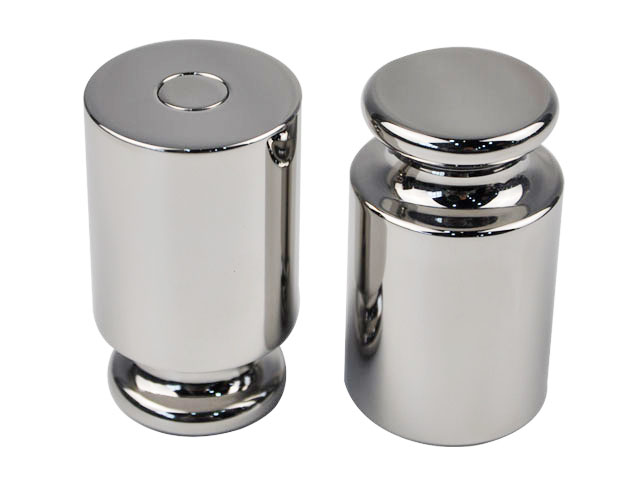
One of the primary applications of 1000kg weights lies in the calibration and testing of industrial equipment. In manufacturing facilities, where precision is paramount, machinery such as cranes, hoists, and lifting systems must operate within strict load-bearing parameters to avoid accidents and ensure product quality. Calibrating these machines with 1000kg weights allows engineers to verify their ability to handle heavy loads accurately. For instance, a bridge crane used in a steel mill must be tested regularly to confirm that its lifting mechanism can support the weight of raw steel materials without deviation. By suspending 1000kg weights from the crane’s hook and monitoring its performance—including lifting speed, stability, and braking efficiency—technicians can identify any potential issues, such as worn components or misaligned systems, before they lead to costly downtime or hazardous failures. Similarly, in the automotive industry, 1000kg weights are used to test the durability of vehicle chassis and suspension systems, ensuring that they can withstand the stresses of heavy loads over extended periods of use.
Beyond equipment calibration, 1000kg weights play a crucial role in construction and civil engineering projects. During the construction of large structures such as bridges, skyscrapers, and dams, temporary stabilization is often required to prevent shifting or collapse during the building process. 1000kg weights, placed strategically on scaffolding, formwork, or temporary supports, provide the necessary counterbalance to keep these structures stable. For example, when constructing a bridge pier in a river, workers may use 1000kg weights to anchor the formwork in place, ensuring that it remains stationary even in strong currents. This stabilization is essential for maintaining the accuracy of the structure’s dimensions and ensuring that concrete is poured evenly, which directly impacts the final strength and safety of the bridge. Additionally, in road construction, 1000kg weights are used in compaction tests to assess the density of soil and asphalt. By dropping a 1000kg weight onto the surface from a standardized height, engineers can measure how well the material compacts, which is critical for building roads that can withstand heavy traffic loads without cracking or sinking.
The material composition of 1000kg weights is a key factor in their performance and longevity. Given the heavy loads they bear and the harsh environments in which they often operate, these weights must be made from materials that are both strong and resistant to wear, corrosion, and deformation. The most common materials used in the production of 1000kg weights include cast iron, steel, and concrete, each with its own set of advantages and applications. Cast iron is a popular choice due to its high density and excellent wear resistance, making it ideal for indoor calibration tasks where precision is key. Steel, on the other hand, offers superior tensile strength and can be welded or fabricated into custom shapes, making it suitable for outdoor construction applications where the weight may need to be attached to other structures. Concrete weights, often reinforced with steel bars for added strength, are a cost-effective option for large-scale stabilization projects, as they can be easily cast on-site to meet specific size and weight requirements. Regardless of the material, 1000kg weights are typically designed with flat surfaces and secure attachment points to ensure stability and ease of handling.
Handling and operational safety are paramount when working with 1000kg weights, as their substantial mass poses significant risks if not managed properly. Industries that use these weights have strict safety protocols in place to protect workers and equipment. First and foremost, proper lifting equipment is essential—crane hooks, slings, and hoists must be rated to handle loads exceeding 1000kg to ensure that they do not fail during lifting. Workers are required to undergo specialized training to operate this equipment, including learning how to inspect lifting gear for signs of damage, such as frayed cables or bent hooks. Additionally, when placing 1000kg weights, workers must ensure that the surface beneath the weight is level and capable of supporting the load. Uneven surfaces can cause the weight to tip over, leading to accidents, while weak surfaces may collapse under the weight, resulting in damage to equipment or injury to personnel. Another critical safety measure is the use of personal protective equipment (PPE), such as hard hats, steel-toed boots, and high-visibility clothing, to minimize the risk of injury in case of accidental drops or shifts.
In addition to their practical applications, 1000kg weights also have a broader impact on industry standards and quality control. Many industries rely on standardized testing procedures that involve the use of 1000kg weights to ensure that products and equipment meet regulatory requirements. For example, in the aerospace industry, components such as aircraft landing gear must undergo rigorous testing with heavy weights to demonstrate their ability to withstand the impact of landing. These tests, which often use 1000kg weights or more, are designed to simulate real-world conditions and ensure that the components are safe for use. By adhering to these standards, manufacturers can build trust with customers and regulatory bodies, which is essential for success in highly regulated industries. Furthermore, the use of 1000kg weights in research and development helps drive innovation in material science and engineering. Engineers are constantly exploring new materials and designs for 1000kg weights that are lighter, stronger, and more environmentally friendly, which in turn leads to improvements in other areas of industry, such as more efficient lifting equipment and more durable construction materials.
The versatility of 1000kg weights extends beyond industrial and construction settings to include applications in sports and fitness, although these are less common than their heavy-duty counterparts. In some professional strength training facilities, 1000kg weights are used in specialized training programs for athletes, such as weightlifters and strongmen, to build extreme strength and endurance. These weights are typically used in exercises such as deadlifts and squats, under the supervision of trained coaches to ensure safety. While this application is niche, it highlights the adaptability of 1000kg weights to different contexts, depending on the needs of the user. Additionally, in some scientific research, 1000kg weights are used to study the effects of heavy loads on the human body, helping researchers understand how muscles, bones, and joints respond to extreme stress. This research can lead to improvements in sports medicine and the development of better training techniques to prevent injuries.
Environmental considerations are also becoming an increasingly important factor in the production and use of 1000kg weights. As industries strive to reduce their carbon footprint, manufacturers are exploring more sustainable materials and production methods for these weights. For example, some companies are using recycled steel to produce 1000kg weights, which reduces the need for virgin steel production and lowers greenhouse gas emissions. Additionally, concrete weights can be made using recycled aggregates, such as crushed concrete from demolished buildings, which helps reduce waste and conserve natural resources. Another environmental consideration is the disposal of 1000kg weights at the end of their lifespan. Many of these weights are made from recyclable materials, which means they can be melted down and reused to produce new weights or other products. This circular approach to production and disposal helps minimize the environmental impact of 1000kg weights and aligns with global efforts to promote sustainability.
Despite their many advantages, 1000kg weights also present certain challenges that industries must address. One of the main challenges is transportation, as moving 1000kg weights from one location to another requires specialized vehicles and equipment. Trucks with heavy-duty trailers, cranes, and forklifts are needed to transport these weights safely, which can be costly and time-consuming. Additionally, storing 1000kg weights requires a great deal of space, as they cannot be stacked easily without risking damage to the weights or the storage facility. To address these challenges, some companies are developing modular 1000kg weights that can be disassembled for transportation and storage, making them more convenient to handle. Another challenge is the cost of 1000kg weights, which can be prohibitively expensive for small businesses. However, many companies offer rental services for 1000kg weights, allowing small businesses to access the equipment they need without making a large upfront investment.
Looking to the future, the role of 1000kg weights is likely to evolve as technology advances and industries adopt new practices. For example, the integration of sensors and IoT (Internet of Things) technology into 1000kg weights could enable real-time monitoring of their performance and condition. Sensors could detect changes in weight, temperature, or vibration, alerting technicians to potential issues before they become serious. This would improve the efficiency of maintenance and reduce the risk of accidents. Additionally, as renewable energy sources such as wind and solar power continue to grow, 1000kg weights may find new applications in the testing and maintenance of renewable energy equipment, such as wind turbine blades and solar panel mounting systems. These applications would further expand the versatility and importance of 1000kg weights in the global economy.
In conclusion, 1000kg weights are essential tools that play a critical role in numerous industries, from manufacturing and construction to aerospace and sports. Their ability to provide precision calibration, stable stabilization, and rigorous testing makes them indispensable for ensuring safety, quality, and efficiency. The material composition of these weights, which is tailored to specific applications, ensures that they can withstand the harsh conditions of industrial and outdoor use, while strict safety protocols minimize the risks associated with handling heavy loads. As industries continue to evolve and embrace sustainability and new technologies, the role of 1000kg weights is set to expand, driving innovation and improving standards across various sectors. Whether used to test a crane’s lifting capacity, stabilize a bridge during construction, or train a professional athlete, 1000kg weights are a testament to the importance of heavy-duty tools in shaping the modern world.
