





Changzhou Veidt Weighing Co., Ltd. © 2022 ALL RIGHTS RESERVED Privacy Policy | Calibration Weight | Test Weights | Cast Iron Weights | Standard Weights | Laboratory Weights | XML | SITEMAP
Product Category
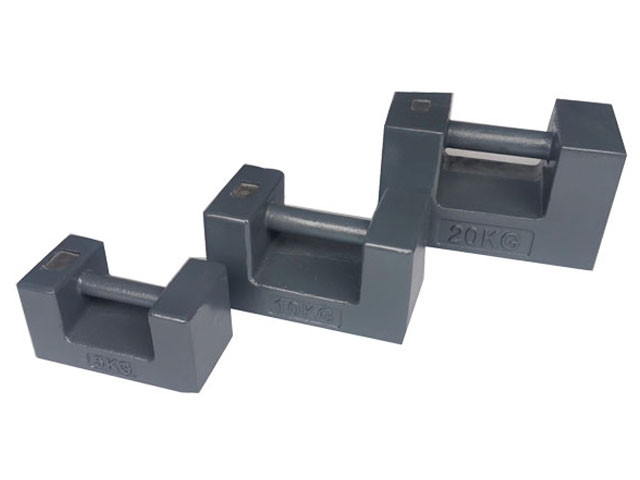
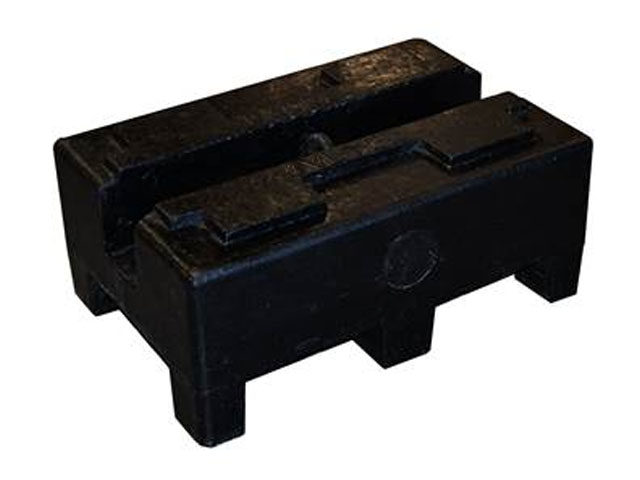
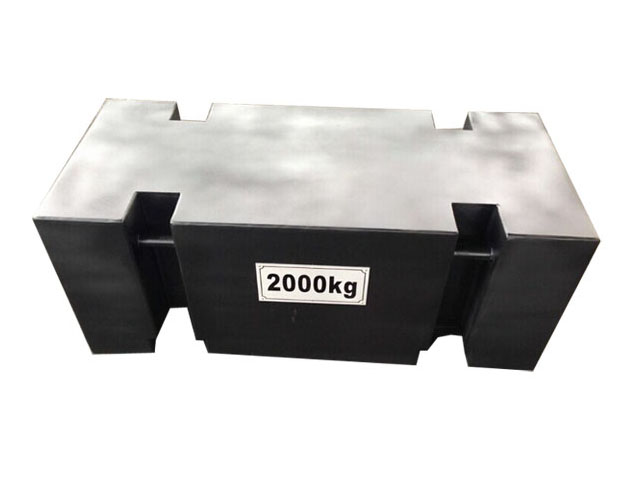
Cast Iron Weight
Veidt Weighing is a Cast Iron Weight factory in china. Cast iron weights are standard quality instruments widely used in industrial weighing, laboratory calibration, and quality testing fields. As one of the most traditional and economically practical types of weights, cast iron weights play an important role in various measurement situations due to their excellent stability, durability, and cost-effectiveness.
Main Features
Material characteristics: Made of high-strength cast iron material and subjected to special heat treatment process to ensure a dense and pore free internal structure.
Surface treatment: Spray painting or plating treatment (such as chrome plating) is usually used to effectively prevent oxidation and corrosion, and extend the service life.
Accuracy level: According to international standards, it can be divided into different accuracy levels such as M1 and M2 to meet the measurement needs of different occasions.
Temperature stability: The thermal expansion coefficient of cast iron material is moderate, and its quality is stable within the conventional temperature range.
Technical Specifications
Specification range: Common specifications range from 1kg to 50kg, and some special purpose weights can reach over 500kg
Allowable error: M1 level error range ± 0.05%~± 0.1%, M2 level error range ± 0.1%~± 0.2%
Working temperature: -10 ℃~+40 ℃ (standard environment)
Relative humidity: ≤ 80% (no condensation)
Application field
Industrial weighing: used for calibration and verification of large weighing equipment such as floor scales and platform scales
Laboratory calibration: used as a secondary standard for daily calibration of various scales and apparatus
Quality Inspection: Quality Control and Product Sampling on the Production Line
Teaching Experiment: Quality Standards in Physics, Chemistry, and Other Teaching Experiments
Precautions for use
Regular calibration: It is recommended to conduct a professional calibration once a year to ensure accurate measurement values
Correct handling: Use specialized handling tools to avoid surface damage or human error caused by manual handling
Storage environment: Store in a dry and clean environment, avoiding contact with corrosive substances
Pre use inspection: Before each use, visually inspect the surface condition of the weight to confirm that there is no rust, damage, or other issues
maintenance
Regularly clean the surface with a soft cloth to keep the weights clean
Minor rusting can be treated with specialized cleaning agents, while severe rusting should be discontinued
When not in use for a long time, rust proof oil should be applied and properly packaged
Avoid drastic temperature changes and mechanical shocks
Purchase suggestions
Choose the appropriate precision level based on actual needs, without blindly pursuing high precision
Check if the manufacturer has the corresponding production license for measuring instruments
Confirm if the weight comes with a valid calibration certificate
Consider selecting appropriate surface treatment methods based on usage frequency and environment
Cast iron weight as traditional measuring standards, still hold an irreplaceable position in modern industrial production and scientific research. The correct selection, use, and maintenance of cast iron weights can ensure the accuracy and reliability of measurement results, providing strong guarantees for quality control.
Cast iron weight and test weight stand as two foundational and widely used weight components across global industrial, commercial, and practical operational settings, serving distinct yet complementary purposes that make them irreplaceable in daily work involving mass verification, equipment calibration, load balancing, and performance testing. Unlike precision-engineered weights made from stainless steel or other high-grade alloys, these two types of weights prioritize durability, practicality, and cost-effectiveness, catering to the needs of heavy-duty use, large-scale application, and routine operational checks rather than ultra-precise laboratory measurement. Understanding their material properties, manufacturing processes, application scenarios, handling protocols, and long-term maintenance practices is crucial for anyone working in manufacturing, logistics, construction, metrology, machinery maintenance, and educational fields, as it ensures reliable performance, consistent mass accuracy, and extended service life in every use case. This article delves deeply into the core characteristics, functional differences, real-world applications, proper usage guidelines, and maintenance best practices for cast iron weight and test weight, presenting a comprehensive overview of these essential industrial tools without reference to specific brands, certification labels, sensitive promotional language, or numerical pricing details.
To begin with the fundamental definitions, a cast iron weight is a solid weight component crafted primarily from gray cast iron or ductile cast iron through specialized casting techniques, designed to hold a fixed, standardized mass for general weight-related applications, ranging from equipment counterbalancing to basic mass verification. A test weight, on the other hand, is a precision-calibrated weight unit, often made from cast iron for industrial-grade use, specifically engineered to test, calibrate, and verify the accuracy and functionality of weighing equipment, lifting machinery, and load-bearing systems. While many test weights are constructed from cast iron due to the material’s favorable properties, the two terms are not interchangeable: cast iron weight refers broadly to any weight component made from cast iron, regardless of its primary function, while test weight is defined by its core purpose of performance testing and calibration, with cast iron being one of the most common and practical materials for its production. This distinction shapes their design, manufacturing tolerances, and intended use environments, with cast iron weights often built for rugged, heavy-load applications and test weights crafted to maintain consistent mass stability to ensure reliable test results.
The material composition of cast iron weights and cast iron test weights is a key factor in their widespread adoption, as cast iron offers a unique combination of density, structural strength, and workability that aligns perfectly with industrial weight requirements. Gray cast iron, the most commonly used material for these weights, features a stable density typically ranging from 7.0 to 7.3 grams per cubic centimeter, which allows for compact, manageable sizing even for large mass values, avoiding overly bulky designs that would hinder handling and storage. The graphite flakes within gray cast iron provide excellent vibration damping and wear resistance, meaning the weights can withstand repeated handling, minor impacts, and long-term placement without significant deformation or mass loss. Ductile cast iron, used for heavier-duty or higher-stress applications, offers enhanced tensile strength and impact resistance compared to gray cast iron, reducing the risk of cracking or chipping when used in harsh industrial environments with frequent movement or heavy stacking. Both material variants are free from excessive porosity when manufactured properly, ensuring uniform mass distribution across the entire weight; this uniformity is critical, as uneven density could lead to inconsistent mass readings and unreliable performance, whether the weight is used as a counterbalance or a test reference.
The manufacturing process of cast iron weights and test weights follows a structured, quality-focused workflow that prioritizes structural integrity and mass consistency, even for mass-produced units. The process starts with careful material selection and melting, where high-quality pig iron, scrap steel, and alloy additives are blended in precise proportions to achieve the desired cast iron composition, with strict controls on carbon, silicon, and impurity levels to avoid material weaknesses. Once melted to the optimal temperature, the molten iron is poured into prefabricated sand molds or metal molds, designed to create the standard shapes of these weights—including rectangular block shapes, cylindrical shapes, lock-style shapes with lifting notches, and flat weights with embedded lifting rings for easy handling. The casting process is controlled to minimize air bubbles, shrinkage cavities, and surface defects, as these imperfections can alter the mass and structural stability of the finished weight. After cooling and solidification, the rough castings undergo a series of finishing processes: excess material and molding residues are removed, surfaces are smoothed and deburred, and a protective coating is applied to prevent rust and corrosion, a critical step given cast iron’s susceptibility to oxidation when exposed to moisture or humid air. For test weights, an additional calibration step is performed post-finishing, where the actual mass is adjusted to match the nominal value within acceptable industrial tolerances, ensuring that each test weight can deliver consistent and reliable results during equipment testing. Standard cast iron weights for counterbalancing or general use may have slightly wider tolerances, as their primary role is to provide a fixed heavy load rather than precise mass reference, but they still undergo basic quality checks to ensure they meet mass consistency standards for their intended use.
One of the most prominent applications of cast iron weights is in industrial and commercial equipment counterbalancing, a function that relies on the material’s high density and durable build. In the machinery and construction industries, cast iron weights are widely used as counterweights for cranes, elevators, forklifts, and large manufacturing equipment, where they stabilize the machine’s center of gravity, prevent tipping during operation, and ensure smooth and safe movement of heavy loads. For elevators, in particular, cast iron counterweights are essential for offsetting the weight of the elevator car and its passengers, reducing the strain on the elevator motor and improving energy efficiency; these weights are often produced in standardized sizes to fit elevator shaft designs, with solid construction to withstand years of constant movement and minimal wear. In manufacturing, cast iron weights are used to balance rotating machinery, such as fans, pumps, and conveyor systems, preventing excessive vibration that could damage components, disrupt production, or pose safety hazards to workers. They are also used in structural testing and construction projects, where they serve as temporary load weights to test the load-bearing capacity of floors, bridges, and scaffolding, providing a reliable and controllable heavy load that can be easily adjusted by adding or removing individual weights. Unlike lighter or less durable materials, cast iron weights maintain their shape and mass even under prolonged heavy load pressure, making them ideal for long-term counterbalancing and load testing applications.
Test weights, most commonly manufactured from cast iron for industrial use, play a vital role in the calibration and verification of weighing equipment across every sector that relies on accurate mass measurement. Logistics and warehousing operations depend heavily on test weights to calibrate floor scales, platform scales, pallet scales, and truck scales, ensuring that these devices provide accurate weight readings for inventory management, shipping, and receiving processes. Regular testing with calibrated test weights helps identify inaccuracies in weighing equipment caused by wear and tear, environmental factors, or mechanical damage, allowing for timely adjustments and repairs to prevent costly errors in trade, inventory tracking, and product distribution. In manufacturing facilities, test weights are used to verify the accuracy of counting scales, filling machines, and checkweighers, ensuring consistent product weight and compliance with internal quality standards for packaged goods. Agricultural operations use test weights to calibrate grain scales and livestock weighing equipment, supporting fair trade and accurate inventory management for crops and animal products. Even in educational settings, test weights are used in physics and metrology classrooms to teach basic mass measurement principles, equipment calibration techniques, and the importance of consistent weight standards, offering students a hands-on tool to understand practical metrology without the need for ultra-high-precision, high-cost equipment. The versatility of cast iron test weights lies in their ability to perform reliably in both indoor controlled environments and outdoor industrial settings, resisting minor impacts and environmental stress better than more fragile precision weights.
Beyond calibration and counterbalancing, both cast iron weights and test weights find use in a wide range of niche practical applications that highlight their adaptability. In material testing laboratories, cast iron weights are used to apply consistent static pressure on test samples, such as metals, plastics, and building materials, to evaluate their compressive strength, durability, and resistance to deformation over time. This type of testing is critical for quality control in construction, automotive, and manufacturing industries, ensuring that materials meet performance standards for real-world use. In marine and port operations, cast iron weights serve as temporary ballast weights for small vessels and dock equipment, stabilizing watercraft during loading, unloading, and maintenance procedures, thanks to their high density and resistance to salt spray (when properly coated). For workshop and construction site use, cast iron weights act as secure anchors for temporary barriers, signage, and equipment, providing a stable, heavy base that withstands wind, movement, and minor collisions without shifting. Some specialized cast iron weights are designed with interlocking or stackable features, allowing users to combine multiple units to achieve a specific total mass quickly and efficiently, whether for large-scale scale calibration, heavy equipment testing, or temporary load application. This stackable design enhances their practicality, as it reduces storage space requirements and simplifies transportation to different work sites.
Proper handling and usage protocols are essential to preserve the mass accuracy, structural integrity, and service life of cast iron weights and test weights, regardless of their application. One of the most important rules is to avoid rough handling, including dropping, dragging, or striking the weights against hard surfaces, as this can cause chipping, cracking, or deformation, which alters the fixed mass and renders them unreliable for testing or counterbalancing. For larger and heavier cast iron weights and test weights, mechanical handling equipment such as forklifts, cranes with suitable slings, or manual handling carts should always be used, rather than manual lifting, to prevent personal injury and avoid damage to the weight itself. Smaller weights can be handled manually, but it is recommended to wear clean, dry cotton gloves to prevent the transfer of oils, sweat, or dirt from hands to the weight surface, which can accelerate corrosion and affect mass consistency over time. When placing weights on weighing equipment or test surfaces, they should be set down gently and positioned centrally to distribute the load evenly, avoiding off-center placement that could cause uneven stress or inaccurate readings. For test weights specifically, it is crucial to use them only for their intended purpose of calibration and testing, and not repurpose them as general counterweights or makeshift tools, as this can compromise their calibrated mass accuracy. Additionally, test weights should be kept separate from standard cast iron weights to avoid mix-ups, ensuring that calibrated test units are always used for precision verification tasks.
Environmental management and regular maintenance are equally important to protect cast iron weights and test weights from corrosion, one of the primary threats to their longevity and performance. Cast iron is prone to rusting when exposed to moisture, humidity, rain, or corrosive gases, so these weights should be stored in a dry, well-ventilated indoor space when not in use, away from direct contact with wet floors, concrete surfaces, or outdoor elements. Using wooden pallets, plastic mats, or dedicated storage racks to elevate the weights off the ground prevents moisture absorption and reduces the risk of rust formation on the bottom surfaces. For weights used in outdoor or humid industrial environments, such as construction sites, warehouses with high humidity, or marine settings, periodic reapplication of a protective wax or anti-rust coating is recommended to maintain the integrity of the original finish. Routine cleaning is a simple yet effective maintenance step: after use, the surface of the weights should be wiped down with a clean, dry cloth to remove dust, dirt, moisture, or debris, preventing abrasive particles from scratching the surface or trapping moisture against the metal. If minor rust spots appear, they can be gently removed with a fine abrasive pad, followed by reapplication of a protective coating to prevent further oxidation; weights with significant rust damage or structural wear should be inspected for mass consistency and replaced if necessary, as advanced corrosion can alter the mass and make them unsafe or unreliable for use.
Mass consistency checks are a key part of maintaining both cast iron weights and test weights, especially for test units used for calibration purposes. Over time, all weights can experience minor mass changes due to surface wear, rust accumulation, or small particle loss from handling, so periodic verification against a reference mass standard is necessary to ensure they remain within acceptable tolerance ranges. For test weights, this verification should be conducted at regular intervals based on frequency of use and environmental conditions; weights used daily in harsh industrial settings require more frequent checks than those used occasionally in controlled indoor environments. Standard cast iron weights used for counterbalancing do not require frequent precision verification, but occasional visual inspections for structural damage, rust, or deformation are recommended to ensure they can still provide a stable, consistent load. It is important to note that modifications to cast iron weights or test weights, such as drilling, grinding, or adding external materials, should never be attempted, as this will permanently alter the mass and destroy their functionality. Any adjustments to test weight mass must be performed by qualified personnel using specialized equipment to ensure compliance with industrial mass standards.
When comparing cast iron weights and test weights to alternative weight materials, such as stainless steel, aluminum, or plastic, the unique advantages of cast iron become even more apparent, solidifying its position as the preferred material for industrial-grade weight applications. Stainless steel weights offer superior corrosion resistance and higher precision, making them suitable for laboratory or cleanroom environments, but they are far more costly to produce and purchase, and less durable under heavy impact loads, making them impractical for large-scale industrial use or rugged outdoor conditions. Aluminum weights are lightweight but lack the density needed for heavy-load counterbalancing and large-scale calibration, requiring larger, bulkier designs to achieve the same mass as cast iron. Plastic weights are affordable and corrosion-resistant but cannot withstand heavy loads or high-stress environments, limiting their use to lightweight, low-impact applications. Cast iron, by contrast, strikes an optimal balance between cost, durability, density, and workability: it is affordable to produce in large quantities and a wide range of mass sizes, dense enough to provide heavy mass in a compact form, strong enough to withstand rugged industrial use, and easy to cast into custom or standard shapes for specific applications. This balance makes cast iron the most practical and economical choice for both general cast iron weights and industrial-grade test weights, serving the needs of small workshops, large manufacturing plants, logistics hubs, and construction sites alike.
The design diversity of cast iron weights and test weights further enhances their usability across different applications, with manufacturers offering a wide range of sizes, shapes, and configurations to meet specific industry needs. Mass sizes range from small units suitable for calibrating small bench scales to large, heavy blocks used for testing truck scales and heavy machinery, with standardized increments to allow for flexible mass combination. Common shapes include rectangular block weights, which are easy to stack and store; cylindrical weights, which are compact and stable for placement on flat surfaces; lock-style weights with built-in forklift or lifting notches, designed for efficient handling of heavy units; and flat weights with integrated lifting rings, ideal for crane-assisted placement and large-scale calibration projects. Some weights feature engraved or embossed mass markings that resist fading over time, allowing for quick and easy identification of each unit’s nominal mass, reducing the risk of errors during use. This design flexibility ensures that there is a suitable cast iron weight or test weight for every practical application, from small-scale indoor calibration to large-scale outdoor load testing and equipment counterbalancing.
Safety is a critical consideration when working with cast iron weights and test weights, given their heavy mass and potential for injury or damage if mishandled. All personnel handling these weights should be trained in proper lifting and handling techniques, with strict adherence to safety protocols for mechanical equipment use when moving heavy units. Stacking weights should be done carefully, ensuring stable, even stacks that do not exceed a safe height to prevent tipping or collapse, especially in busy work areas with foot traffic or moving machinery. Weights used for outdoor load testing or temporary counterbalancing should be secured properly to prevent movement due to wind, vibration, or accidental contact, reducing the risk of workplace accidents. When using test weights for scale calibration, the weighing equipment should be placed on a stable, level surface, and the area should be clear of obstacles to ensure safe placement and removal of the weights. By following basic safety guidelines, the risk of injury, equipment damage, or weight damage is significantly reduced, allowing these tools to be used effectively and safely in any work setting.
Looking at their long-term value, cast iron weights and test weights are a cost-effective investment for businesses and organizations across all industries, thanks to their long service life, minimal maintenance requirements, and versatile functionality. Unlike disposable or short-lived weight solutions, high-quality cast iron weights can last for decades with proper care and maintenance, providing consistent performance year after year without the need for frequent replacement. Their durable construction reduces the need for repairs, and the ability to refinish and re-protect against rust extends their usable life even further. For small businesses and large corporations alike, this longevity translates to lower long-term costs compared to investing in more expensive, less durable weight alternatives. Additionally, the widespread availability of cast iron weights and test weights in standard sizes and configurations ensures easy replacement or expansion of weight sets as operational needs grow, without the need for custom or specialized orders. This accessibility and cost-effectiveness make them a staple tool in nearly every industrial and commercial operation that relies on consistent mass application or equipment calibration.
In the broader context of industrial metrology and operational efficiency, cast iron weights and test weights play a quiet but essential role in maintaining consistency, reliability, and safety across global supply chains and production processes. Accurate weighing equipment, calibrated regularly with reliable test weights, ensures fair trade practices between buyers and sellers, prevents inventory discrepancies in manufacturing and logistics, and supports quality control for consumer and industrial products. Properly balanced machinery, fitted with durable cast iron counterweights, operates more efficiently, experiences less wear and tear, and reduces downtime for repairs, boosting overall productivity and reducing operational costs. Even in niche applications, these weights contribute to safety and quality, from structural load testing that ensures building and infrastructure safety to material testing that guarantees product performance. They are not high-tech or specialized tools, but their simplicity, durability, and reliability make them a foundational part of modern industrial operations, supporting countless processes that rely on consistent mass and load control.
In conclusion, cast iron weight and test weight are essential, versatile tools that fill critical roles in industrial, commercial, and practical applications, offering a unique blend of durability, cost-effectiveness, and functional reliability that cannot be easily replicated by alternative materials. Cast iron weights excel in heavy-duty counterbalancing, load testing, and general weight application, leveraging the strength and density of cast iron to deliver consistent performance in rugged environments. Test weights, predominantly made from cast iron for industrial use, provide a stable, calibrated mass reference for ensuring the accuracy of weighing equipment across all sectors, supporting fair trade, quality control, and operational efficiency. By adhering to proper handling, storage, and maintenance practices, users can maximize the service life and performance of these weights, ensuring they remain reliable tools for years to come. As industrial operations continue to evolve and prioritize efficiency and safety, the demand for high-quality cast iron weights and test weights remains steady, as their fundamental value lies in their ability to deliver consistent, practical performance without unnecessary complexity or cost. Whether used in a small workshop, a large manufacturing plant, a busy logistics warehouse, or a construction site, these two types of weights continue to be indispensable components that keep essential operations running smoothly, safely, and accurately.
Learn more about cast iron unit weight, cast iron standard weight, cast iron theoretical weight, gray cast iron weight, ductile cast iron weight, cast iron plate weight, cast iron pipe weight, cast iron actual weight, cast iron weight per square meter, cast iron weight calculation formula, malleable cast iron weight, cast iron bar weight, cast iron weight tolerance, cast iron weight measurement, cast iron component weight, cast iron frame weight, cast iron weight specification, cast iron weight per linear meter, cast iron weight verification, cast iron fastener weight, cast iron counterweight, cast iron weight deviation, cast iron cladding weight, cast iron forging weight, cast iron gross weight, cast iron net weight, cast iron weight calibration, cast iron weight testing standard, cast iron weight for machinery parts, cast iron weight compliance, cast iron weight benchmark, cast iron shipping weight, cast iron weight reference table, cast iron weight adjustment, cast iron weight for production line equipment, cast iron weight load capacity, cast iron weight for panel assembly, cast iron weight comparison, cast iron weight for thermal insulation panels, cast iron weight for fire-resistant components, cast iron weight for conveyor systems, cast iron weight for industrial furnaces, cast iron weight for automotive parts, cast iron weight for construction machinery, cast iron weight for valve bodies, cast iron weight for pump housings, cast iron weight for agricultural equipment, cast iron weight for marine engineering, pls contact us.
