





Changzhou Veidt Weighing Co., Ltd. © 2022 ALL RIGHTS RESERVED Privacy Policy | Calibration Weight | Test Weights | Cast Iron Weights | Standard Weights | Laboratory Weights | XML | SITEMAP
Product Category
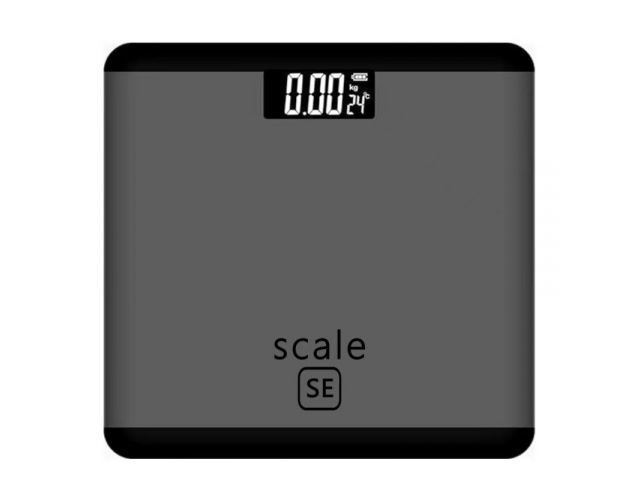
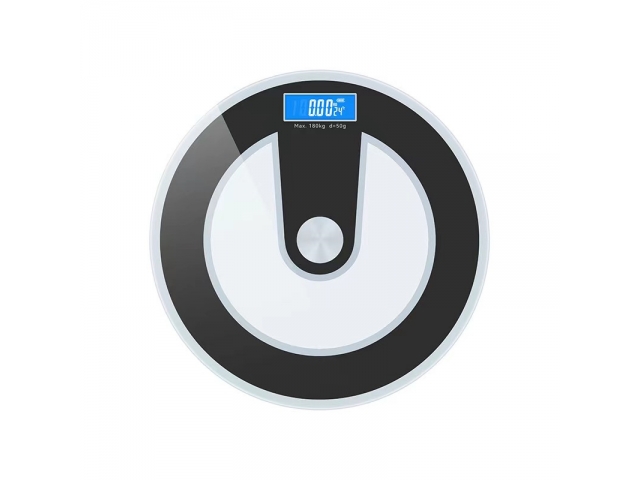
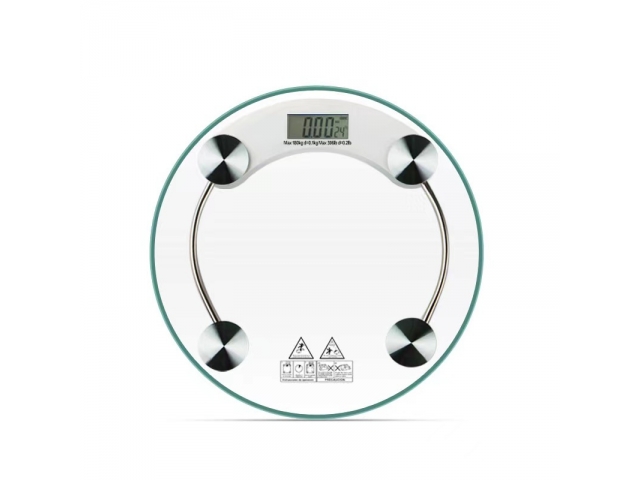
Bathroom Scale
In every modern household, among the quiet, everyday appliances that shape personal health routines, the bathroom scale stands as one of the most unassuming yet indispensable tools. Often placed on a flat corner of the bathroom floor, overlooked in home decor planning and rarely celebrated for its functionality, this compact device serves as a consistent mirror of physical health and lifestyle changes for people of all ages and living habits. Unlike elaborate fitness equipment that demands dedicated time, space, and effort to operate, a bathroom scale requires no complex setup, no professional guidance, and no lengthy learning process. A simple, two-second step onto its platform is all it takes to generate a tangible data point that anchors countless personal health journeys, making it a staple in ordinary homes, apartment dwellings, and even temporary living spaces worldwide. Its ubiquity stems not from flashy design or sophisticated gimmicks, but from its core ability to turn abstract physical changes into concrete, trackable numbers, bridging the gap between subjective bodily feelings and objective health observation.
The history of the bathroom scale traces a gentle evolutionary path that mirrors the broader progress of home health technology, shifting from bulky, imprecise mechanical devices to sleek, sensitive digital tools tailored for daily domestic use. Early household weight-measuring devices were large, cumbersome, and reserved for occasional use, often limited to medical environments or commercial settings where precise weight tracking was mandatory. As public awareness of preventive health grew through the decades, the demand for accessible, at-home weight monitoring rose steadily, driving the miniaturization and refinement of weighing technology for residential application. The first widely adopted home bathroom scales relied entirely on mechanical spring mechanisms, utilizing physical compression and tension to translate body weight into a dial reading. These analog models featured simple circular dials, metal internal components, and robust plastic or metal platforms, prioritizing durability over pinpoint accuracy. While functional for general weight estimation, they were prone to gradual calibration drift after years of use, affected by floor unevenness, temperature fluctuations, and repeated mechanical wear, leading to minor but consistent measurement discrepancies over time.
Understanding the fundamental working principles of bathroom scales helps users appreciate both their limitations and their remarkable practicality, demystifying the simple numbers that appear with every step. Traditional mechanical bathroom scales operate on basic physics of force and elasticity: when a user stands on the scale’s flat platform, the downward gravitational force of the body compresses internal springs or deflects strain-sensitive metal components. This physical displacement is mechanically transferred through a series of gears and levers to rotate the indicator dial, which aligns with printed weight markings to display a reading. Modern digital and smart bathroom scales replace mechanical moving parts with electronic load cells, highly sensitive sensors that detect microscopic pressure variations exerted by the user’s body mass. These load cells convert physical pressure into electrical resistance changes, which are processed by an internal circuit board to calculate an accurate weight value, instantly displayed on a digital screen. The entire process occurs in less than a second, delivering consistent, repeatable readings that far surpass the reliability of older mechanical designs, even with minimal physical maintenance.
Beyond the basic function of measuring body weight, contemporary bathroom scales have evolved into multi-functional health monitoring devices that support holistic lifestyle management, expanding their role far beyond simple weight tracking. Basic digital models retain the core weight-measuring capability while adding subtle quality improvements, such as precise decimal-point readings, automatic zero calibration, and instant screen activation upon pressure detection. Advanced smart bathroom scales integrate bioelectrical impedance analysis technology, a non-invasive measurement method that sends imperceptibly mild, safe electrical currents through the human body when a user stands barefoot on the scale’s conductive surface panels. Since different bodily tissues conduct electrical current at distinct rates—fat tissue offers higher resistance, while muscle tissue and water conduct current more efficiently—the scale’s internal algorithms analyze these resistance variations to estimate a range of key body composition metrics. These metrics typically include body fat percentage, skeletal muscle mass, total body water percentage, bone mass estimation, and basal metabolic rate, providing users with a comprehensive snapshot of physical condition rather than a single isolated weight figure.
The daily application of bathroom scales intersects with nearly every personal health and fitness goal, making them a foundational tool for consistent self-improvement and bodily awareness. For individuals pursuing gradual weight management, whether aiming for gentle weight reduction or healthy weight gain, regular scale readings create a structured framework for tracking progress and identifying subtle bodily changes that might otherwise go unnoticed. Daily or weekly measurements reveal slow, incremental shifts in body mass, allowing users to adjust dietary habits, physical activity levels, and rest routines in response to real bodily feedback, rather than relying on subjective visual perception alone. For fitness enthusiasts focused on muscle building and body recomposition, scales with body composition functionality prove especially valuable, as they distinguish between weight fluctuations caused by fat gain or loss and changes driven by muscle mass development. This distinction eliminates the common frustration of seeing static or slightly increased weight alongside improved physical fitness, helping users recognize positive body transformation that scale-only weight numbers would fail to illustrate.
Consistent, mindful use of a bathroom scale also fosters crucial bodily awareness and disciplined lifestyle habits, cultivating a proactive approach to preventive health care that benefits long-term physical well-being. Many people experience subtle weight fluctuations throughout daily life due to water retention, meal timing, sleep quality, stress levels, and physical activity, and regular scale use helps normalize these variations, preventing overreaction to temporary numerical changes. By establishing a consistent tracking routine, users learn to differentiate between transient daily fluctuations and meaningful long-term trends, developing a more balanced and objective understanding of their body’s natural state. This routine also encourages greater accountability for daily lifestyle choices: individuals who regularly monitor their weight and body composition often become more mindful of portion control, consistent exercise, sleep hygiene, and stress management, creating a positive feedback loop between daily behavior and long-term health outcomes. Over months and years, this small daily act of self-measurement accumulates into sustained healthy habits that reduce the risk of sedentary lifestyle-related health concerns.
Achieving reliable, consistent measurements from a bathroom scale depends heavily on proper usage habits and basic environmental considerations, as even high-quality devices can produce inconsistent readings with improper operation. One of the most critical factors for accurate scaling is surface placement; bathroom scales deliver the most stable results on hard, flat, solid flooring such as tile, hardwood, or concrete, while soft, flexible surfaces like carpet, rugs, and padded flooring disrupt pressure distribution and skew sensor readings. Uneven flooring, sloped surfaces, or gaps beneath the scale’s base can also create inconsistent pressure on internal sensors, leading to variable readings for the same user under identical conditions. Timing consistency further enhances measurement reliability: bodily weight naturally fluctuates throughout the day due to food consumption, liquid intake, and physical activity, so measuring at the same time each day—most commonly in the morning on an empty stomach after waking—eliminates variable daily factors and ensures comparable long-term data. Simple operational habits such as standing centered on the scale platform, maintaining still posture, and avoiding shifting weight during measurement also prevent minor reading inaccuracies caused by uneven pressure distribution.
Basic maintenance and routine care play a vital role in preserving a bathroom scale’s measurement accuracy and extending its service lifespan, as these devices are constantly exposed to the unique humid environment of bathroom spaces. Bathrooms typically feature elevated humidity levels, occasional water splashes, and residual soap scum or dust, all of which can affect sensor sensitivity and surface integrity over time. Regular gentle cleaning of the scale’s platform surface removes accumulated residue that could create uneven contact with the user’s feet, while keeping the base dry prevents moisture from penetrating internal electronic components and causing sensor drift or circuit damage. For digital and smart scale models, periodic battery replacement ensures stable power supply, as low battery power often leads to flickering screens, incomplete data processing, and inconsistent measurement results. Mechanical scales require occasional visual inspection of internal moving parts to check for dust buildup or minor friction issues that might hinder smooth dial movement and precise calibration.
Despite their widespread benefits, bathroom scales are often misunderstood, with many users falling prey to common misconceptions that undermine their effective use and create unnecessary mental stress. One of the most prevalent misconceptions is treating single daily weight readings as an absolute indicator of health status, ignoring the natural, harmless daily fluctuations caused by water retention, hormonal changes, salt intake, and sleep quality. A single higher or lower number on any given day rarely reflects genuine long-term body change, yet many individuals experience frustration or anxiety from isolated readings, disrupting their health motivation. Another common misunderstanding is overinterpreting estimated body composition data; smart scale body composition metrics are practical daily reference tools for trend tracking, not precise diagnostic measurements, and minor percentage variations between days are normal and insignificant. Additionally, many users assume expensive or ultra-complex scales deliver drastically superior performance, while in reality, consistent usage and proper maintenance have a far greater impact on data usefulness than marginal differences in device features for daily home use.
The psychological impact of regular bathroom scale use is equally significant as its physical health benefits, shaping healthy body image and sustainable self-improvement mindsets when used mindfully. When approached with a focus on long-term trends rather than daily perfection, scale tracking builds patience and resilience in health journeys, teaching users that positive bodily change is gradual, cumulative, and non-linear. It helps shift the mindset from short-term, result-oriented obsession to process-focused lifestyle improvement, encouraging consistent daily choices over extreme, unsustainable diet or exercise fads. For many individuals, the scale serves as a neutral, non-judgmental tracking tool that removes subjective bias from self-evaluation, replacing overly critical or overly optimistic self-perception with objective data. This neutral tracking fosters a healthier relationship with one’s body, emphasizing progress, consistency, and overall wellness rather than rigid, unrealistic numerical targets that often lead to burnout and self-criticism.
As home health technology continues to advance, bathroom scales remain a model of thoughtful, user-centric design evolution, balancing simplicity, practicality, and technological innovation to fit seamlessly into ordinary daily life. Modern iterations integrate wireless data synchronization, automatic user recognition, long-term data storage, and personalized trend analysis, allowing users to visualize weeks, months, and even years of health data to identify consistent lifestyle patterns and adjust their wellness strategies accordingly. Despite these technological upgrades, the core purpose of the bathroom scale remains unchanged: to empower individuals with accessible, actionable health information that supports proactive self-care. Unlike specialized medical equipment designed for professional diagnosis, home bathroom scales are engineered for daily usability, affordability, and accessibility, making routine health monitoring achievable for everyone regardless of lifestyle or background.
In the broader context of modern preventive health, the humble bathroom scale embodies the power of small, consistent daily habits in shaping long-term physical wellness. It is a quiet companion in countless personal health journeys, witnessing gradual transformations, celebrating steady progress, and guiding users back to consistent healthy routines during periods of stagnation or fluctuation. Its unobtrusive presence in the bathroom transforms a routine morning or nightly habit into a meaningful act of self-care, reminding users to prioritize their physical health amid busy daily schedules. Far more than a simple measuring device or a numerical display, the bathroom scale is a foundational tool for self-awareness, discipline, and sustainable wellness, proving that the most valuable home health technologies are not the most complex or sophisticated, but those that integrate naturally into daily life and support consistent, long-term positive change.
