






Changzhou Veidt Weighing Co., Ltd. © 2022 ALL RIGHTS RESERVED Privacy Policy | Calibration Weight | Test Weights | Cast Iron Weights | Standard Weights | Laboratory Weights | XML | SITEMAP
Product Category
Balance
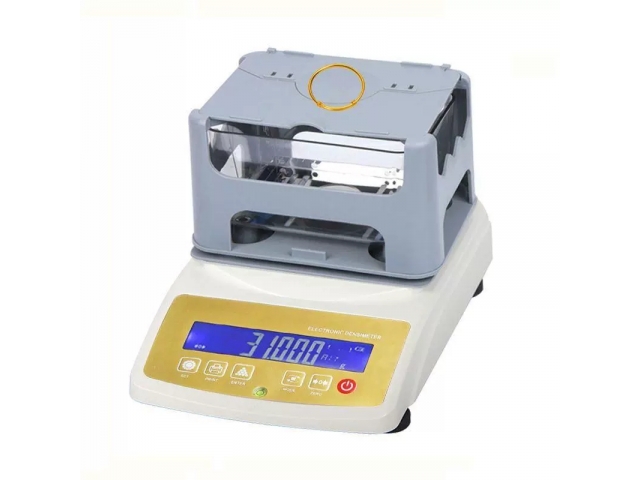
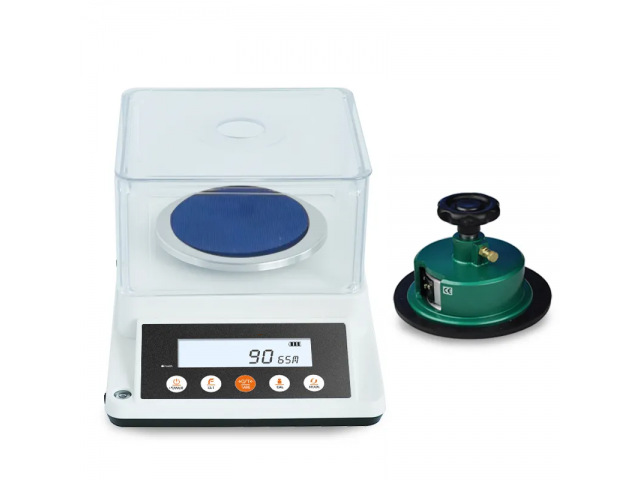
Veidt Weighing is a Electronic Balance factory in china. Electronic balance as an indispensable precision weighing instrument in modern laboratories and industrial fields, is based on the principle of electromagnetic force balance in its core technology. When the sample is placed on the weighing plate, the downward force generated by gravity will be balanced by the reverse electromagnetic force generated by the internal electromagnetic coil. This process is converted into electrical signals through precision sensors, and then processed by a microprocessor to display the weighing results in digital form.
A standard electronic balance consists of the following key components:
Weighing tray: usually made of stainless steel, used to place the item to be tested
Electromagnetic force compensation system: core weighing mechanism
Analog to Digital Converter (ADC): converts analog signals into digital signals
Microprocessors: responsible for data processing and computation
Display screen: Intuitively display the weighing results
Shell and windproof cover: protect internal components and reduce environmental impact
Modern Electronic Balances have multiple advanced technological features:
Resolution and accuracy: High end laboratory scales can reach 0.0001g (0.1mg) or even higher
Weighing range: ranging from milligram level microbalance to kilogram level industrial balance
Calibration method: automatic calibration with built-in weights or manual calibration with external weights
Environmental adaptation: Temperature compensation technology ensures accuracy in different environments
Data transmission: USB, RS232 or Bluetooth interfaces for data output
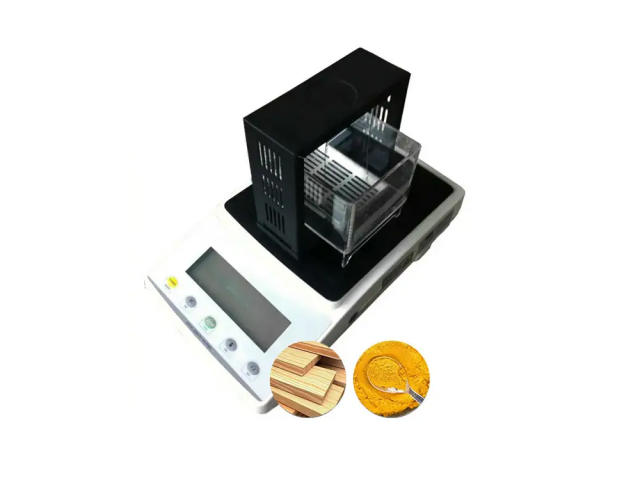
Multifunctional: equipped with additional functions such as counting, percentage weighing, density measurement, etc
According to accuracy and purpose, Electronic Balances are mainly divided into the following categories:
Analytical balance (accuracy 0.1mg-0.0mg):
Applications: Laboratory quantitative analysis, drug development, chemical experiments
Features: Usually equipped with windproof cover, high sensitivity
Precision balance (accuracy 1mg-0.1mg):
Application: Industrial production quality control, educational experiments
Features: Durable and sturdy, with a wide weighing range
Micro/Ultra Micro Balance (Accuracy 0.001mg and below):
Application: Nanomaterial research, trace analysis
Characteristics: Extremely sensitive, requiring a special seismic platform
Industrial balance:
Application: Production line, warehousing and logistics
Features: Large weighing range, high protection level
To ensure the accuracy and service life of Electronic Balances, the following operating procedures should be followed:
Installation environment selection:
A stable workbench to avoid vibration
Stay away from air conditioning vents and direct sunlight
An environment with minimal temperature fluctuations (preferably 15-25 ℃)
Daily usage precautions:
Preheat for more than 30 minutes after startup (more time required for high-precision scales)
Regularly calibrate (especially after changes in usage environment)
Close the windproof door during weighing to avoid the influence of airflow
Handle the sample gently to avoid impacting the weighing plate
Maintenance and upkeep:
Regularly clean the weighing tray and housing
Keep powered on when not in use (avoid frequent switching)
Long term disuse should remove the battery
Regular calibration by professional personnel
Electronic Balances have evolved from simple weighing tools to high-tech instruments that integrate precision measurement, data analysis, and process control. They play an irreplaceable role in precise measurement in scientific research, industrial production, medical and pharmaceutical fields. Choosing, using, and maintaining Electronic Balances correctly will ensure reliable data support and provide a solid foundation for all work.
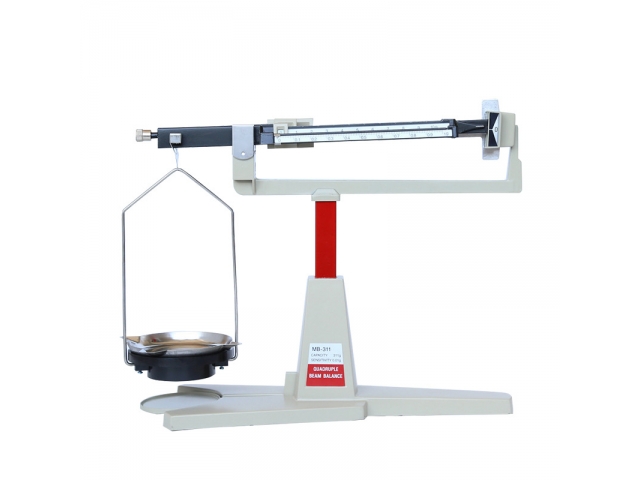
In the modern landscape of precise measurement and quantitative analysis, the electronic balance stands as one of the most fundamental and indispensable instruments across countless professional fields, bridging the gap between manual measurement limitations and the demand for consistent, accurate mass data. Unlike traditional mechanical balances that rely on physical levers, counterweights, and manual adjustment to achieve balance, the electronic balance integrates advanced electronic sensing technology, digital signal processing, and intelligent control systems to deliver streamlined, reliable mass measurement results with minimal manual intervention. This device has reshaped the way industries and research institutions handle weighing tasks, eliminating many of the human errors and operational inefficiencies associated with legacy weighing equipment, while adapting to the evolving requirements of precision work in scientific research, industrial production, daily laboratory operations, and specialized commercial applications. From micro-level sample weighing in chemical labs to bulk material proportioning in manufacturing plants, the electronic balance has become a cornerstone tool that underpins data accuracy, process standardization, and quality control in every sector it serves. Its widespread adoption is not merely a result of technological advancement but a response to the universal need for trustworthy, repeatable, and easy-to-operate weighing solutions that can adapt to diverse working environments and measurement demands.
To fully understand the value and functionality of the electronic balance, it is essential to first explore its core working principles, which form the foundation of its precision and performance. Most high-precision electronic balances operate on the principle of electromagnetic force compensation, a mechanism that eliminates the physical wear and measurement drift common in mechanical weighing devices. When an object is placed gently on the weighing pan, the downward gravitational force exerted by the object causes a tiny, measurable displacement in the internal sensing component. A precision position detector within the balance immediately captures this subtle movement and transmits an electrical signal to the device’s built-in microprocessor. The microprocessor, acting as the brain of the electronic balance, quickly processes this signal and sends a regulated electrical current to an electromagnetic coil housed within a fixed magnetic field. This current generates an upward electromagnetic force that precisely counteracts the downward gravitational force of the object, restoring the weighing pan and sensing component to their original neutral position. The magnitude of the current required to maintain this perfect balance is directly proportional to the mass of the object being weighed. The microprocessor then converts this current value into a digital mass reading through pre-programmed calibration algorithms, which is subsequently displayed on the electronic screen for the user to view clearly. Some entry-level electronic balances utilize strain gauge sensor technology, where the pressure from the weighed object causes minor deformation in a metal strain gauge, altering its electrical resistance; this resistance change is then translated into mass data through signal conversion. While the technical pathways may vary slightly between different sensor types, the core goal remains consistent: converting mechanical force into measurable electrical signals, then processing those signals into accurate, readable mass values without the need for manual counterweight placement or balance adjustment.
The internal structure of the electronic balance is a carefully engineered assembly of specialized components, each designed to work in harmony to uphold measurement accuracy and operational stability. At the forefront is the weighing pan, a flat, durable platform typically constructed from corrosion-resistant, easy-to-clean metal materials, engineered to support objects of varying shapes and sizes while ensuring even distribution of weight across the sensing area. Beneath the pan lies the core sensing module, which includes the position detector, electromagnetic coil, magnetic steel assembly, or strain gauge unit—this module is the most critical part of the balance, as it directly captures and converts force signals, and its stability directly determines the overall precision of the device. Connected to the sensing module is a signal amplifier, which strengthens the weak electrical signals generated by the sensor to a level that can be effectively processed by the microprocessor, preventing signal loss or interference that could distort measurement results. Following amplification, an analog-to-digital converter transforms the continuous analog electrical signals into discrete digital data, enabling the microprocessor to perform rapid, accurate calculations and calibration adjustments. The microprocessor itself manages a range of intelligent functions beyond basic data calculation, including automatic zero reset, tare weight deduction, unit conversion, and stability monitoring, streamlining user operations and reducing the risk of human error. The digital display panel, usually a high-definition LCD or LED screen, presents clear, easy-to-read mass measurements, eliminating the parallax errors and reading ambiguities associated with mechanical balance dials. Additionally, most electronic balances are equipped with a stable base and level adjustment mechanism, often paired with a built-in level indicator, to ensure the device remains perfectly horizontal during use—a key factor in maintaining consistent measurement accuracy. External protective structures, such as windshields for high-precision models, shield the weighing area from air currents, dust, and external vibrations, further safeguarding measurement reliability in unstable environmental conditions.
The versatility of the electronic balance is reflected in its extensive application across a vast array of industries and professional settings, each with unique weighing requirements that the device is engineered to meet. In scientific research and academic laboratories, electronic balances are indispensable for conducting precise sample preparation, chemical synthesis, material analysis, and experimental data collection. Researchers in chemistry, biology, physics, and materials science rely on these devices to weigh tiny samples, reagents, and specimens with micro-level accuracy, as even minor deviations in mass can lead to skewed experimental results, failed research trials, or invalid data conclusions. In educational institutions, from universities to technical training centers, electronic balances serve as vital teaching tools, helping students understand the principles of mass measurement, data recording, and experimental standardization, laying a solid foundation for their future professional work in scientific and technical fields. In the pharmaceutical industry, electronic balances play a non-substitutable role in drug formulation and production, where precise weighing of active pharmaceutical ingredients, excipients, and additives is critical to ensuring drug efficacy, safety, and compliance with production standards. Even slight inconsistencies in ingredient proportions can compromise product quality and pose risks to end-users, making the reliability of electronic balances a top priority in pharmaceutical manufacturing workflows.
Beyond research and pharmaceuticals, electronic balances are widely integrated into food and beverage production, where consistent ingredient weighing is essential for maintaining product taste, texture, and nutritional consistency across large-scale production runs. Manufacturers use these devices to measure raw materials, additives, and finished products with precision, supporting standardized production processes and quality assurance protocols. In the chemical and manufacturing sectors, electronic balances facilitate accurate proportioning of raw materials, batch production monitoring, and quality inspection of finished goods, helping businesses reduce material waste, optimize production efficiency, and uphold consistent product quality. Specialized commercial fields, such as jewelry trading and precious metal processing, also depend on high-precision electronic balances to weigh small, high-value items with meticulous accuracy, ensuring fair transactions and reliable product valuation. In environmental testing and public health institutions, electronic balances assist in collecting and analyzing environmental samples, testing water and air quality, and conducting public health research, providing objective data support for environmental protection and public health management. Even in logistics and small-scale commercial operations, mid-range electronic balances streamline weighing tasks for goods and materials, improving operational efficiency and reducing manual counting errors. This broad cross-sector application highlights how the electronic balance has evolved from a specialized laboratory tool to a universal precision instrument that drives standardization, accuracy, and efficiency in modern industrial and scientific operations.
Achieving and sustaining reliable performance from an electronic balance requires strict adherence to standardized operating procedures, as improper use can quickly lead to measurement errors, sensor damage, and shortened service life. Before every use, operators must first inspect the balance’s placement to ensure it rests on a flat, stable, vibration-free surface free from direct sunlight, extreme temperature fluctuations, strong air currents, and corrosive fumes—all environmental factors that can disrupt sensor stability and skew measurement results. The built-in level indicator must be checked, and the balance’s adjustable feet modified as needed to achieve perfect horizontal alignment, as an unlevel base is one of the most common causes of inconsistent measurements. After proper placement, the balance requires a sufficient warm-up period, typically ranging from 20 to 30 minutes, to allow internal electronic components to reach a stable operating temperature; activating the device immediately without warm-up often results in unstable readings and reduced accuracy. Once warmed up, the balance should be reset to zero to clear any residual data, ensuring the starting point for measurement is completely neutral. When placing objects on the weighing pan, operators must handle items gently to avoid impact damage to the sensitive internal sensor, and never exceed the balance’s maximum weighing capacity, as overloading can cause permanent sensor damage that is difficult to repair. For volatile, corrosive, or powdery substances, samples must be placed in sealed, clean containers to prevent material leakage, corrosion of internal components, or cross-contamination between samples.
One of the most valuable intelligent features of modern electronic balances is the tare weight function, which allows users to subtract the mass of a container or packaging material from the total reading, displaying only the net mass of the sample inside. This feature eliminates the need for manual subtraction and streamlines the weighing process for bulk or packaged items. During measurement, users should wait for the reading to stabilize completely before recording data, as rushing to note fluctuating numbers can lead to inaccurate record-keeping. After completing weighing tasks, all samples and containers should be removed from the pan promptly, and the pan and surrounding areas cleaned gently with a soft, lint-free cloth to remove dust, residue, or spilled materials; harsh cleaning agents or abrasive tools should be avoided to prevent surface damage. For long-term storage or non-use, the electronic balance should be covered with a dust-proof protective cover to shield internal components from dust accumulation, which can gradually impair sensor sensitivity over time. Operators should also avoid moving the balance unnecessarily once it is properly positioned, as frequent relocation disrupts level alignment and requires re-calibration to restore accuracy. By following these consistent operational practices, users can minimize measurement errors, protect the balance’s internal components, and ensure stable, reliable performance over extended periods of use.
Regular calibration and routine maintenance are equally critical to preserving the accuracy and lifespan of an electronic balance, as even the most advanced sensors will experience minor drift and performance degradation over time due to environmental changes, frequent use, and component aging. Calibration is the process of aligning the balance’s internal readings with standardized mass values, ensuring that measurements remain consistent with established measurement benchmarks. Many modern electronic balances feature built-in automatic calibration systems, which can initiate calibration with a single command, using internal standard masses to adjust readings automatically; older or more basic models require external calibration using certified standard weights, conducted by trained personnel at regular intervals. The frequency of calibration depends on usage intensity and environmental conditions—balances used daily in high-precision settings may require calibration every few weeks, while those used less frequently may only need calibration every few months. Beyond formal calibration, daily visual inspections are recommended to check for physical damage, level misalignment, and dust buildup on the weighing pan and sensor area. Routine maintenance also includes monitoring the balance’s power supply to prevent voltage fluctuations that can damage electronic components; using a stable, surge-protected power source is highly advisable for all precision electronic balance models.
Operators should also be aware of common minor issues that can arise with electronic balances and how to address them without professional intervention, such as unstable readings, failure to reset to zero, or slow response times. In many cases, these issues stem from environmental interference, unlevel placement, dust accumulation, or insufficient warm-up time, rather than permanent component damage. Simple troubleshooting steps—such as re-leveling the balance, extending the warm-up period, cleaning the sensor area, or re-calibrating the device—can often resolve these problems quickly and restore normal function. If issues persist despite these checks, professional maintenance from qualified technicians is recommended to avoid further damage; attempting to disassemble or repair the balance internally without specialized expertise can void functional integrity and cause irreversible harm to sensitive components. Proactive maintenance not only prevents unexpected downtime and costly repairs but also ensures that the balance consistently meets precision requirements for its intended applications, protecting the reliability of data and processes that depend on accurate weighing results.
The development of electronic balance technology has followed a clear trajectory of continuous improvement, driven by advancements in electronic engineering, material science, and digital intelligence to meet increasingly demanding industry standards. Early electronic balances were bulkier, had limited precision, and offered minimal intelligent functions, relying on basic sensor technology and manual calibration to deliver measurements. As semiconductor technology and microprocessor design advanced, subsequent models became more compact, energy-efficient, and precise, with faster response times and greater stability. The integration of intelligent control systems marked a major turning point, bringing automated calibration, tare functions, data locking, and unit conversion features that drastically reduced manual workload and human error. In recent years, further technological innovations have enhanced the connectivity and data management capabilities of electronic balances, with many models supporting data transmission to external computers, printers, or laboratory management systems. This digital integration allows for automatic data recording, real-time data analysis, and streamlined record-keeping, eliminating manual data entry errors and supporting traceable, standardized data management in regulated industries.
Modern electronic balances also feature enhanced environmental adaptability, with improved sensor designs that resist temperature changes, humidity fluctuations, and mild vibration, expanding their usability beyond controlled laboratory environments to more demanding industrial settings. Materials used in balance construction have also evolved, with lighter, more durable alloys and corrosion-resistant coatings improving portability, longevity, and resistance to harsh working conditions. User interfaces have become more intuitive, with simplified control panels and clear digital displays that reduce the learning curve for new operators, making precise weighing accessible to staff with varying levels of technical expertise. Despite these technological leaps, the core mission of the electronic balance remains unchanged: to deliver accurate, repeatable mass measurements efficiently and reliably. This steady evolution reflects a commitment to addressing real-world user needs—reducing operational complexity, improving measurement stability, and adapting to the growing demands of precision-driven industries—while maintaining the core functionality that makes the instrument indispensable.
When selecting an electronic balance for a specific application, users must prioritize a set of key performance metrics and practical considerations to ensure the device aligns with their unique weighing needs, rather than focusing on superficial features. The first and most critical factor is measurement precision, or readability, which refers to the smallest mass increment the balance can detect and display. High-precision laboratories and specialized industries such as pharmaceuticals and jewelry require balances with micro-level readability to handle tiny sample weights, while general industrial production or educational settings may opt for balances with moderate precision that meets basic measurement requirements. Equally important is the maximum weighing capacity, which must align with the heaviest items typically weighed; choosing a capacity with a small safety margin above routine needs helps prevent accidental overloading and sensor damage. Repeatability, or the consistency of measurements when weighing the same object multiple times under identical conditions, is another vital metric, as it reflects the balance’s long-term stability and resistance to drift. Environmental adaptability should also be evaluated: balances used in unstable environments require stronger resistance to vibration, temperature changes, and air currents, while those in controlled labs may prioritize pure precision over ruggedness.
Additional functional features should be matched to daily operational needs—for example, businesses requiring frequent unit conversion or batch weighing benefit from balances with pre-set functional modes, while labs focused on data traceability gain value from models with external data connectivity. Durability and ease of maintenance are practical long-term considerations; balances with sturdy construction and simple cleaning requirements reduce long-term maintenance costs and downtime. By evaluating these factors holistically, users can select an electronic balance that strikes the ideal balance between precision, capacity, functionality, and durability, delivering reliable performance tailored to their specific workflow. A well-matched electronic balance not only improves daily operational efficiency but also ensures that measurement data remains trustworthy, supporting consistent quality control and decision-making across all applications.
Looking ahead, the future development of electronic balance technology will continue to be shaped by the trends of intelligence, digitalization, and integration, further elevating the device’s performance and practical value. The rise of artificial intelligence and machine learning will enable electronic balances to offer predictive maintenance alerts, automatically detecting signs of sensor drift or component wear before they impact measurement accuracy, allowing users to address issues proactively. Enhanced wireless connectivity will streamline data transfer across smart laboratory and industrial systems, enabling seamless integration with automated production lines, cloud-based data storage platforms, and remote monitoring systems. This level of connectivity will support real-time quality control, remote data access, and full process traceability, aligning electronic balances with the growing demand for smart, automated industrial and laboratory workflows. Sensor technology will also continue to advance, delivering even higher precision, faster response times, and greater environmental stability, expanding the possibilities for ultra-fine sample weighing and harsh-environment applications.
Beyond technical upgrades, future electronic balances will likely feature more user-centric designs, with simplified interfaces, ergonomic controls, and enhanced portability to accommodate diverse working scenarios, from fixed laboratory stations to mobile field testing. Energy efficiency will also improve, with low-power components and battery-powered options that support uninterrupted use in locations with limited access to stable power. As industries worldwide continue to raise standards for precision, data integrity, and operational efficiency, the electronic balance will evolve in tandem, remaining an essential tool that underpins accurate measurement and standardized operations across every sector. While the technology will continue to advance, the core purpose of the electronic balance—providing reliable, precise, and accessible mass measurement—will remain constant, solidifying its role as a foundational instrument in the modern world of precision work.
In summary, the electronic balance represents a perfect fusion of mechanical engineering, electronic technology, and digital intelligence, transforming the landscape of mass measurement by overcoming the limitations of traditional weighing equipment and meeting the diverse, evolving needs of modern industry and research. Its precise measurement capabilities, intelligent operational features, and broad adaptability have made it an irreplaceable tool in laboratories, factories, educational institutions, and specialized commercial settings worldwide. Proper operation, regular calibration, and proactive maintenance are key to unlocking the full potential of the electronic balance, ensuring long-term accuracy, stability, and service life. As technology continues to progress, the electronic balance will keep evolving to deliver higher performance, greater convenience, and wider applicability, continuing to support the advancement of scientific research, industrial production, and quality management across the globe. Whether in a cutting-edge research lab, a large-scale manufacturing plant, or a small specialized business, the electronic balance remains a symbol of precision, reliability, and efficiency, playing a quiet but vital role in driving progress and standardization in every field it serves.
