





Changzhou Veidt Weighing Co., Ltd. © 2022 ALL RIGHTS RESERVED Privacy Policy | Calibration Weight | Test Weights | Cast Iron Weights | Standard Weights | Laboratory Weights | XML | SITEMAP
Product Category
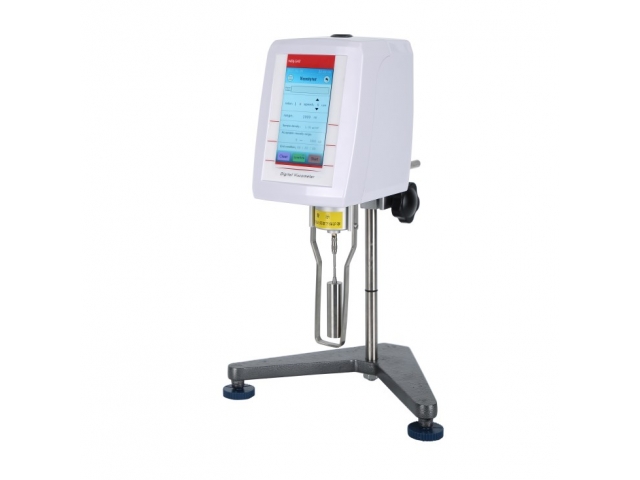
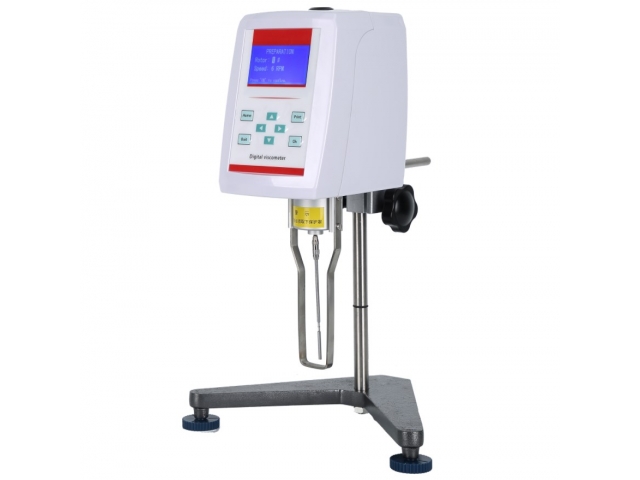
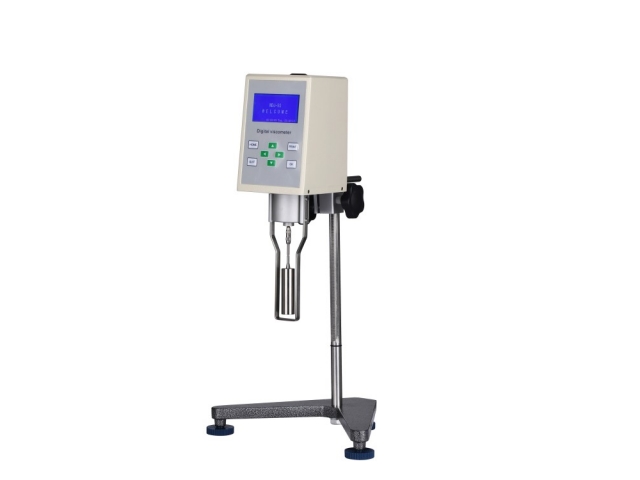
Digital Viscometer
Veidt Weighing is a Digital Viscometer factory in china. Digital viscometer is a precision electronic instrument used in contemporary laboratories and industrial fields to measure liquid viscosity, representing a digital revolution in traditional viscosity measurement techniques. This device, through advanced sensor and microprocessor technology, can quickly and accurately measure the viscosity characteristics of various fluids, and is widely used in the quality control and research and development fields of industries such as petrochemicals, food and beverage, pharmaceuticals, coatings, cosmetics, etc.
Modern digital viscometers are mainly based on the following three measurement principles:
Rotating measurement principle: The rotor is driven by a motor to rotate in a liquid, and the torque required to maintain a constant speed is measured. The magnitude of the torque is proportional to the viscosity of the liquid. The latest model adopts brushless motor and optical encoder, with a speed accuracy of ± 0.1%.
Principle of vibration measurement: Use piezoelectric crystals to vibrate the probe at a specific frequency, and calculate viscosity by measuring amplitude attenuation or frequency changes. This design is particularly suitable for online continuous monitoring and small sample size measurement.
Capillary digital system: Combining traditional capillary principles with high-precision pressure sensors and flow meters, viscosity is calculated by measuring the time it takes for a liquid to pass through a capillary at a certain pressure. It is commonly used for high-precision laboratory analysis.
The technical specifications of high-end digital viscometers include:
Measurement range: 0.1 mPa · s to 20000000 mPa · s (multi range models)
Temperature control accuracy: ± 0.01 ℃ (equipped with Peltier temperature control system)
Repeatability: ± 0.5% reading
Resolution: 0.01 mPa · s
Data transmission: standard USB/Bluetooth/Wi Fi, supports LIMS system docking
Innovative functional features
Intelligent temperature control system: a precision temperature control unit integrated with PID control algorithm, programmable temperature gradient testing function, meeting the requirements of ASTM D445 and other standards.
Multi parameter measurement: The new generation of equipment can synchronously measure rheological parameters such as viscosity, temperature, density, shear rate, and shear stress.
Adaptive calibration technology: using machine learning algorithms to automatically identify measurement status and adjust parameters in real-time to ensure optimal measurement accuracy.
Cloud data analysis platform: supports real-time uploading of measurement data to the cloud, providing trend analysis, batch comparison, and remote monitoring functions.
Industry application cases
Pharmaceutical industry: used for viscosity testing of injection solutions, stability research of biological agents, ensuring product consistency and injectability.
Petrochemical industry: quality monitoring of lubricating oil, fuel, asphalt and other products, multi-stage viscosity measurement to simulate different working conditions.
Food industry: analysis of rheological properties of non Newtonian fluids such as chocolate, sauces, dairy products, etc., and optimization of production processes.
In the field of 3D printing, viscosity temperature characteristics of printing materials such as photosensitive resins are measured to ensure the stability of the printing process.
Choosing a digital viscometer should consider:
Matching degree between measurement range and sample characteristics
Temperature control range and accuracy requirements
Data management and report generation functions
Daily maintenance points:
Regularly use standard oil for calibration verification
Clean the rotor promptly after use to avoid cross contamination
Avoid operating beyond the range or at inappropriate temperatures
Regularly update instrument firmware to obtain the latest features
With the advancement of materials science and microelectronics technology, digital viscometers will continue to make breakthroughs in accuracy, speed, and usability, providing more powerful fluid analysis solutions for various industries.
Learn more about rotational digital viscometer, portable digital viscometer, laboratory digital viscometer, digital viscometer calibration, brookfield digital viscometer, high precision digital viscometer, digital viscometer accuracy, digital viscometer for paint, digital viscometer price, digital viscometer maintenance, digital viscometer specification, industrial digital viscometer, digital viscometer accessories, digital viscometer calibration standard, digital viscometer for oil, digital viscometer software, digital viscometer sensitivity, digital viscometer verification, digital viscometer for food, digital viscometer calibration procedure, digital viscometer for cosmetics, digital viscometer error, digital viscometer for polymer, digital viscometer calibration service, digital viscometer user manual, digital viscometer for adhesive, digital viscometer parts, digital viscometer for chemicals, digital viscometer calibration frequency, digital viscometer for ink, digital viscometer calibration method, digital viscometer traceability, digital viscometer for pharmaceutical, digital viscometer calibration kit, digital viscometer for resin, digital viscometer calibration check, digital viscometer temperature control, digital viscometer for lubricant, digital viscometer calibration record, digital viscometer for battery slurry, digital viscometer repeatability test, digital viscometer for cement paste, digital viscometer anti-corrosion, digital viscometer for quality control, digital viscometer for biochemical samples, digital viscometer data logging, digital viscometer for pesticide, digital viscometer calibration verification standard, pls contact us.
Viscosity stands as one of the most fundamental physical properties of fluids, defining the internal resistance to flow that governs the behavior of countless liquid and semi-liquid substances across industrial, laboratory, and research scenarios. From everyday consumer goods to high-end industrial raw materials, the precise measurement of viscosity has long been a cornerstone of quality control, process optimization, and scientific research. Among the tools designed to quantify this critical parameter, the digital viscometer has emerged as a transformative innovation, replacing traditional mechanical and manual viscosity testing equipment with enhanced precision, operational simplicity, and data reliability. Unlike older testing methods that relied on manual observation, analog readings, and complex manual calculations, digital viscometers integrate advanced sensing technology, electronic control systems, and digital signal processing to deliver consistent, accurate, and easy-to-read viscosity data, reshaping the landscape of fluid property testing across global industries.
To fully grasp the value of digital viscometers, it is essential to first understand the scientific principles that underpin viscosity measurement and the evolution of testing technologies that led to the development of digital models. Viscosity, at its core, is a measure of the internal friction between adjacent layers of a fluid as it moves or is subjected to external force. This property is not fixed for all fluids; it varies dramatically based on molecular composition, temperature, pressure, and shear force applied to the fluid. Traditional viscosity measurement techniques, such as capillary flow methods and manual rotational testing, required skilled operators to conduct time-consuming tests, record analog readings, and perform manual mathematical computations to derive viscosity values. These methods were prone to human error, environmental interference, and inconsistent results, making them unsuitable for the high-precision demands of modern manufacturing and scientific research. Digital viscometers build upon the proven physical principles of rotational viscosity testing—one of the most widely adopted approaches for fluid viscosity analysis—while infusing digital technology to eliminate manual inaccuracies and streamline the entire testing process.
The core working principle of a standard digital viscometer revolves around rotational shear force and torque detection. At the heart of the instrument lies a precision motor, a set of interchangeable rotors, a high-sensitivity torque sensor, and a digital control and display module. When in operation, the motor drives a selected rotor to rotate at a constant, pre-set speed within the sample fluid being tested. As the rotor spins, the internal frictional resistance of the fluid creates a counteractive torque that opposes the rotor’s movement; the higher the fluid’s viscosity, the greater this opposing torque becomes. The integrated torque sensor continuously captures this torque data, converting the mechanical force into an electrical signal that is then transmitted to the instrument’s internal processing unit. This unit uses calibrated algorithms to translate the electrical signal into a precise viscosity value, which is instantly displayed on a digital screen for immediate operator access. Unlike analog viscometers, which require operators to interpret needle positions on a dial and account for potential reading biases, digital viscometers present numerical readings directly, eliminating subjective interpretation and reducing measurement discrepancies.
A key advantage of digital viscometers is their adaptability to a wide range of fluid types and viscosity ranges, made possible by modular rotor design and adjustable rotational speed settings. Different rotor shapes, sizes, and configurations are engineered to accommodate fluids with varying flow characteristics, from thin, low-viscosity solvents and aqueous solutions to thick, high-viscosity pastes, gels, and viscous polymers. Operators can select the appropriate rotor based on the estimated viscosity of the sample, ensuring that the instrument operates within its optimal measurement range for maximum accuracy. Similarly, adjustable speed settings allow users to modify the shear rate applied to the fluid, a critical feature for testing non-Newtonian fluids—substances whose viscosity changes in response to applied shear force. Unlike Newtonian fluids, which maintain a consistent viscosity regardless of shear rate, non-Newtonian fluids exhibit shear-thinning, shear-thickening, or thixotropic behavior, and digital viscometers enable controlled testing at varying speeds to capture accurate viscosity data under specific application conditions. This flexibility makes digital viscometers suitable for nearly every type of fluid encountered in industrial and laboratory settings, a versatility that manual testing tools cannot match.
Beyond core measurement capabilities, digital viscometers incorporate a suite of design and functional enhancements that elevate their performance and usability in real-world settings. Temperature control is one such critical feature, as fluid viscosity is highly temperature-dependent; even minor fluctuations in temperature can cause significant shifts in viscosity readings, leading to unreliable test results. Most modern digital viscometers include integrated temperature sensing modules, and many are compatible with external temperature control accessories to maintain a stable sample temperature throughout testing. This temperature stability ensures that measurements are consistent and comparable across multiple tests, whether conducted in a controlled laboratory environment or a busy production floor. Additionally, digital viscometers feature built-in data storage capabilities, allowing users to save multiple test results for later review, analysis, and record-keeping. This eliminates the need for manual data transcription, reducing the risk of data loss and human error in record-keeping, and supports long-term quality tracking and process monitoring. Some advanced models also offer data output functionality, enabling seamless connection to external computers, printers, or laboratory management systems for automated data processing and report generation, aligning with the push for digitalization and automation in modern testing workflows.
The operational workflow of a digital viscometer is designed to be intuitive and efficient, minimizing operator training time and reducing the likelihood of testing errors. The typical process begins with pre-operation preparation: the instrument is placed on a stable, level surface to avoid mechanical imbalance, the selected rotor is securely attached to the motor shaft, and the sample fluid is prepared in a suitable container, free of air bubbles, contaminants, or sediment that could interfere with measurement. Air bubbles, in particular, can disrupt the rotor’s rotation and create false torque readings, so proper sample preparation—including gentle mixing to avoid aeration—is a key step in ensuring accurate results. Once the sample is ready, the rotor is lowered into the fluid until it reaches the specified immersion depth, ensuring full contact between the rotor and the sample without touching the container walls or bottom. The operator then sets the desired rotational speed on the digital control panel, starts the instrument, and allows the rotor to spin until the viscosity reading stabilizes on the display. Stabilization time varies depending on the fluid type, but digital viscometers typically reach a steady reading quickly, allowing for rapid testing of multiple samples in sequence. After testing, the rotor is carefully removed, cleaned thoroughly to remove residual sample material, and stored properly to maintain precision for future use. The simplicity of this workflow makes digital viscometers accessible to users with varying levels of technical expertise, from seasoned laboratory technicians to production floor staff conducting routine quality checks.
The impact of digital viscometers extends across nearly every industry that handles fluid materials, as consistent viscosity control is vital to product performance, safety, and user experience. In the food and beverage industry, for example, viscosity measurement plays a pivotal role in ensuring product texture, taste, and shelf stability. Products such as syrups, jams, sauces, dairy products, and edible oils rely on precise viscosity levels to deliver consistent sensory properties; a deviation in viscosity can alter the spreadability of a sauce, the mouthfeel of a beverage, or the shelf stability of a processed food item. Digital viscometers allow food manufacturers to conduct real-time viscosity checks during production, adjusting formulations and processing parameters to maintain product uniformity and meet internal quality standards. In personal care and cosmetics, viscosity determines the texture, application, and efficacy of products such as lotions, creams, shampoos, and gels. Consumers expect these products to have a consistent consistency, and digital viscometers help formulators fine-tune ingredient ratios and processing conditions to achieve the desired flow properties, ensuring that products perform as intended from the first use to the last.
The pharmaceutical and biomedical industries rely on digital viscometers for critical quality assurance and research applications, where viscosity directly impacts drug efficacy, delivery, and safety. Oral liquids, topical ointments, injectable solutions, and biomedical gels all require strict viscosity control to ensure proper dosage, absorption, and application. For instance, a topical medication with incorrect viscosity may not adhere to the skin properly, reducing its therapeutic effect, while an injectable solution with improper flow properties can pose risks during administration. Digital viscometers enable pharmaceutical researchers and manufacturers to test raw materials, intermediate products, and finished formulations with high precision, ensuring that products comply with strict quality requirements and perform consistently in clinical use. In biomedical research, these instruments are used to analyze biological fluids, polymer-based biomaterials, and drug delivery systems, providing accurate viscosity data that supports the development of safe and effective medical treatments and diagnostic tools.
In the chemical, petrochemical, and manufacturing sectors, digital viscometers are essential for process control, product development, and material quality assessment. Chemical products such as adhesives, coatings, inks, lubricants, and polymer resins all have strict viscosity specifications that govern their processing and performance. Coatings with optimal viscosity apply smoothly, cure evenly, and provide durable protection; lubricants with precise viscosity levels reduce friction and wear in mechanical systems; adhesives with consistent viscosity bond materials effectively without dripping or uneven application. Digital viscometers allow chemical manufacturers to monitor viscosity at every stage of production, from raw material inspection to final product packaging, preventing defects and reducing waste by identifying deviations early in the process. In petrochemical applications, viscosity testing of crude oil, fuel oils, and lubricating oils is critical for assessing product quality, determining storage and transportation conditions, and ensuring compliance with industrial performance standards. For manufacturing operations that use fluid materials in production lines, real-time viscosity measurement helps optimize processing speeds, reduce downtime, and maintain consistent product quality across large-scale production runs.
Additional industries that benefit from digital viscometer technology include paints and coatings, construction materials, textiles, and environmental testing. Paints and coatings rely on controlled viscosity to achieve proper flow during application, avoid sagging or dripping, and form uniform films; digital viscometers help formulators adjust pigment and binder ratios to achieve the ideal consistency for different application methods, from brushing to spraying. In construction, viscosity testing of sealants, grouts, and concrete admixtures ensures that these materials perform effectively in structural applications, providing strong adhesion and durability. Textile manufacturers use viscosity measurements to control dye solutions and finishing chemicals, ensuring consistent coloration and fabric treatment. Environmental testing laboratories use digital viscometers to analyze wastewater, sludge, and contaminated fluid samples, supporting environmental monitoring and remediation efforts by assessing fluid flow properties and treatment efficacy. Across all these sectors, the digital viscometer serves as a reliable, efficient tool for translating abstract fluid flow properties into quantifiable data, enabling informed decision-making and quality improvement.
To sustain the accuracy, reliability, and lifespan of a digital viscometer, proper maintenance and routine calibration are essential, even for instruments designed for durable daily use. Calibration is the process of verifying and adjusting the instrument’s measurement accuracy against standardized reference fluids with known viscosity values, ensuring that readings remain consistent with industry-accepted standards. Regular calibration intervals vary based on usage frequency and operating conditions, but routine checks help detect drift in sensor performance or mechanical wear before it impacts test results. Operators should follow structured calibration protocols, using certified reference fluids that match the viscosity range of the samples being tested, and document calibration results for quality tracking purposes. Mechanical maintenance focuses on protecting the instrument’s sensitive components: rotors must be cleaned thoroughly after each use to remove residual sample material, which can harden and affect rotation and torque detection; harsh scrubbing or abrasive cleaners should be avoided to prevent damage to rotor surfaces. The motor and sensor components should be protected from dust, moisture, and corrosive fumes, as these environmental factors can degrade electronic components and reduce measurement accuracy over time. The digital display and control panel should be kept clean and free of spills, and the instrument should be stored in a dry, temperature-stable environment when not in use.
Operators should also be aware of common factors that can affect measurement accuracy and take proactive steps to mitigate interference. In addition to temperature fluctuations and air bubbles, sample contamination, improper rotor immersion, and uneven sample mixing can all lead to inaccurate readings. Samples that have settled or separated should be gently homogenized before testing to ensure uniform composition, and containers should be selected to provide sufficient space around the rotor for unobstructed rotation. Overloading the instrument with samples that exceed its maximum viscosity range can strain the motor and sensor components, leading to premature wear, so operators must select appropriate rotors and speed settings based on sample properties. By following consistent operating and maintenance practices, users can extend the service life of digital viscometers and maintain reliable, accurate measurement performance for years of regular use.
The development of digital viscometer technology continues to evolve in tandem with broader advances in automation, digitalization, and smart laboratory technology, with ongoing innovations focused on enhancing efficiency, precision, and connectivity. Modern advancements include enhanced automation features, such as auto-ranging functionality that automatically selects the optimal rotor and speed settings based on sample properties, reducing operator guesswork and further streamlining testing. Improved sensor technology has boosted measurement sensitivity, allowing for more precise testing of low-viscosity fluids and more consistent readings for non-Newtonian fluids with complex flow behaviors. Wireless connectivity and cloud-based data storage have also been integrated into some models, enabling remote monitoring of tests, real-time data sharing across teams, and centralized data management for large-scale laboratory or production operations. These smart features align with the rise of Industry 4.0 and smart manufacturing initiatives, where seamless data integration and automated process control drive operational efficiency and quality consistency.
Another key developmental trend is the miniaturization and portability of digital viscometers, creating compact, battery-powered models suitable for on-site testing, field measurements, and limited-space laboratory environments. Portable digital viscometers offer the same core measurement accuracy as benchtop models but are designed for easy transport and use in remote locations, such as construction sites, oil field operations, or field environmental testing. This portability expands the scope of viscosity testing beyond fixed laboratory settings, allowing for real-time quality checks at the point of material production or application. Additionally, advancements in energy efficiency and durable component design have made digital viscometers more reliable for continuous use in high-volume testing environments, reducing downtime and maintenance needs.
Looking ahead, digital viscometer technology will continue to adapt to the evolving needs of global industries, with a focus on greater automation, improved user-friendliness, and tighter integration with digital testing ecosystems. As industries increasingly prioritize data-driven decision-making and streamlined quality control, the demand for reliable, high-performance digital viscometers will remain strong. Researchers and engineers will continue to refine sensor technology, processing algorithms, and functional design to address emerging testing challenges, such as the analysis of novel fluid materials, high-throughput testing requirements, and stricter quality control standards. While the core principle of viscosity measurement remains rooted in fundamental fluid dynamics, the digital viscometer will keep evolving as a modern, sophisticated tool that bridges scientific theory and practical industrial application.
In summary, the digital viscometer represents a significant advancement in fluid viscosity measurement, combining proven physical testing principles with cutting-edge digital technology to deliver accurate, consistent, and efficient results across a vast array of industrial, laboratory, and research applications. By eliminating the limitations of manual and analog testing methods, these instruments have simplified viscosity testing, reduced human error, and enhanced the reliability of fluid property data, making them an indispensable tool for quality control, product development, and scientific research. From food and pharmaceuticals to chemicals and manufacturing, digital viscometers play a vital role in ensuring product quality, process efficiency, and material performance, supporting the creation of safe, effective, and consistent products that shape daily life. With ongoing technological innovation and a focus on practical usability, digital viscometers will continue to be a cornerstone of fluid analysis for years to come, adapting to new industry challenges and maintaining their position as a essential asset in modern material testing and quality assurance. The widespread adoption of digital viscometers not only improves testing efficiency and accuracy but also underscores the importance of precise fluid property measurement in driving industrial progress, product innovation, and scientific discovery across global sectors.
