





Changzhou Veidt Weighing Co., Ltd. © 2022 ALL RIGHTS RESERVED Privacy Policy | Calibration Weight | Test Weights | Cast Iron Weights | Standard Weights | Laboratory Weights | XML | SITEMAP
Product Category
Analytical Balance
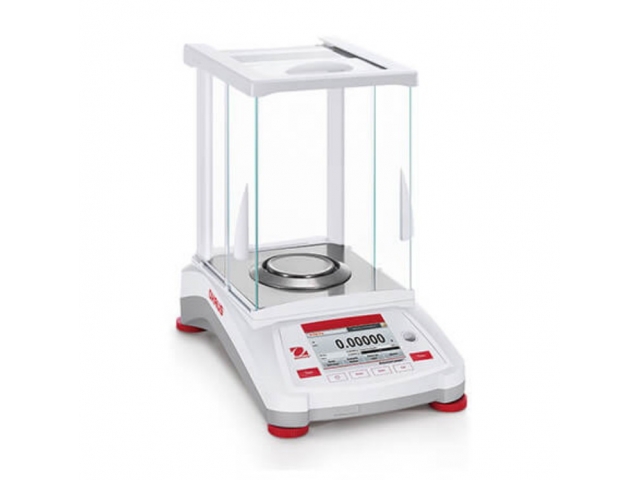
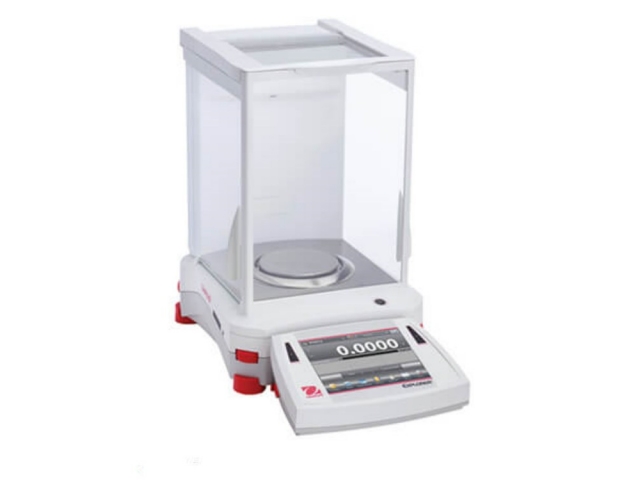
Veidt Weighing is a Analytical Balance factory in china. An analytical balance is a laboratory instrument capable of accurately measuring small mass objects, with weighing accuracy typically reaching 0.1mg (0.0001g) or even higher. Compared with traditional scales, analytical balances have higher sensitivity and accuracy, and can accurately measure at the trace level.
Working principle of electronic analytical balance
Modern analytical balances mainly use the principle of electromagnetic force balance:
Measuring mass by balancing electromagnetic force and gravity
When the sample is placed on the weighing plate, the sensor detects a change in position
The control system generates corresponding electromagnetic force to restore the balance of the balance
The required electromagnetic force can be measured to determine the sample quality
Classified by accuracy:
Precision analytical balance (0.1mg accuracy)
Semi micro balance (0.01mg accuracy)
Microbalance (0.001mg accuracy)
Ultra micro balance (0.0001mg accuracy)
Classified by structure:
Top loading type
Bottom loading type
suspended
Key performance parameters
Maximum weighing range: ranging from tens of grams to several thousand grams
Readability/Resolution: Typically 0.1mg-0.01mg
Repeatability: Consistency of results obtained from multiple weighings under the same conditions
Linear error: the deviation between the actual value and the theoretical value
Stable time: the time from loading the sample to displaying stable results
Calibration methods: internal calibration, external calibration, or automatic calibration
Special functions of analytical balances
Automatic calibration: Built in weight automatic calibration function
Dynamic weighing: suitable for weighing unstable samples
Density measurement: Combined with density components, solid and liquid densities can be measured
Statistical calculation: automatic calculation of mean, standard deviation, etc
Multi user management: management of user accounts with different permissions
The correct method of using an analytical balance
Environmental requirements:
Avoid vibration, airflow, and temperature fluctuations
Maintain level (adjust with built-in level)
Ideal temperature range 15-25 ℃, humidity 45-60%
Operation steps:
Power on preheating (usually 30 minutes)
Perform calibration (before daily use)
Use specialized weighing containers
Avoid direct contact with the weighed object by hand
Close the windproof door for precise weighing
Weighing techniques:
Use the peeling function
Temperature equilibrium of symmetrical quantities
Avoid the influence of static electricity (anti-static devices can be used)
Rapid weighing of hygroscopic substances
Maintenance and Care
Daily cleaning:
Clean with a soft brush or lint free cloth
Avoid using corrosive cleaning agents
Regularly clean the windproof cover and weighing room
Regular inspection:
Check the horizontal status
Verify repeatability and linearity
Check if the windproof door is smooth
Long term discontinuation precautions:
Remove power supply
Clean and dry the weighing room
Store in a dry and dust-free environment
Regular power on inspection
Common Problems and Solutions
Unstable reading:
Check for environmental vibrations and airflow
Confirm if the balance is level
Is the sample completely stable
Display error code:
Refer to the instruction manual to identify the type of error
Overload, calibration failure, or sensor issues
Calibration failed:
Check if the calibration weights are clean
Confirm stable environmental conditions
Contact professional technical personnel
Buying Guide
Determine requirements:
Required accuracy and range
Special functional requirements
Compliance requirements
Brand and model comparison:
Main brands: Mettler Toledo, Sartorius, Shimadzu, etc
Compare performance parameters and prices
Consider after-sales service and calibration support
Accessory selection:
Special weighing tray
windshield
Data interface and software
As a fundamental equipment in laboratories, the technological progress of analytical balances is closely related to the accuracy of scientific research. Understanding the working principle and correct usage of analytical balances is crucial for obtaining reliable experimental data. With the development of technology, analytical balances will continue to evolve towards smarter, more accurate, and more convenient directions, providing stronger support for scientific research.
Learn more about electronic analytical balance, digital analytical balance, analytical balance calibration, high precision analytical balance, analytical balance weight, analytical balance accuracy, semi-micro analytical balance, micro analytical balance, analytical balance calibration weight, analytical balance maintenance, analytical balance specification, analytical balance verification, portable analytical balance, analytical balance calibration procedure, analytical balance sensitivity, analytical balance error, analytical balance for laboratory, analytical balance calibration standard, analytical balance tolerance, analytical balance accessories, analytical balance software, analytical balance price, analytical balance calibration service, analytical balance for chemical analysis, analytical balance user manual, analytical balance parts, analytical balance for pharmaceutical testing, analytical balance calibration frequency, analytical balance calibration method, analytical balance calibration equipment, analytical balance calibration weight set, analytical balance traceability, analytical balance for food analysis, analytical balance calibration check, analytical balance for material science, analytical balance calibration solution, analytical balance calibration record, analytical balance for environmental testing, analytical balance anti-vibration table, analytical balance leveling, analytical balance for quality control, analytical balance calibration requirements, analytical balance calibration kit, analytical balance for research laboratory, analytical balance linear calibration, analytical balance repeatability test, analytical balance for industrial inspection, analytical balance calibration verification standard, pls contact us.
In the intricate landscape of scientific research, quality control, and laboratory analysis, precision measurement stands as the unshakable foundation of reliable data and valid conclusions. Among the countless instruments that populate modern laboratories, the analytical balance holds a position of unparalleled importance, serving as a cornerstone tool for quantifying mass with an extraordinary degree of accuracy. Unlike standard weighing devices designed for general-purpose use, an analytical balance is engineered to detect minute variations in mass, often down to fractions of a milligram, making it indispensable for work that demands meticulous attention to detail. From chemical synthesis and material testing to pharmaceutical development and environmental analysis, this instrument enables researchers and technicians to perform measurements that would be impossible with less sensitive equipment, shaping the integrity of experimental results and industrial quality assurance alike. Its design, functionality, and proper usage are deeply intertwined with the principles of physics, engineering, and laboratory best practices, creating a system that relies on both advanced technology and careful human operation to deliver consistent, trustworthy outcomes.
The evolution of the analytical balance reflects centuries of scientific progress, beginning with primitive mechanical balancing systems and advancing to the sophisticated electronic instruments used in contemporary laboratories. Early mechanical analytical balances relied on the fundamental principle of lever equilibrium, featuring a rigid beam suspended from a central fulcrum, with two pans positioned at equal distances from the pivot point. Users would place the sample on one pan and carefully add calibrated masses to the opposite pan until the beam returned to a perfectly horizontal position, indicating that the mass of the sample matched the combined mass of the standards. These early models required immense patience and manual dexterity, as even the slightest disturbance could disrupt the delicate balance, and measurements were limited by the precision of the manufactured weights and the observer’s ability to judge beam alignment. Over time, incremental improvements enhanced their performance, including the addition of damping mechanisms to reduce beam oscillation, finer adjustment weights for micro-measurements, and enclosed casings to shield the weighing chamber from external interference. The transition from purely mechanical to electronic analytical balances marked a transformative leap in functionality, eliminating many of the limitations of traditional designs and revolutionizing the speed and accuracy of mass measurement in laboratory settings.
Modern electronic analytical balances operate on the principle of electromagnetic force compensation, a physical mechanism that replaces the manual weight balancing of mechanical models with automated, sensor-driven precision. At the heart of every electronic analytical balance lies a highly sensitive load cell or electromagnetic force restoration sensor, which detects the downward force exerted by the sample placed on the weighing pan. When a sample is positioned on the pan, it creates a small deflection in the sensor’s internal components, triggering an electrical current that generates a counteracting electromagnetic force. This force is precisely calibrated to offset the gravitational pull on the sample, returning the sensor to its original neutral position. The instrument’s internal microprocessor then measures the amount of electrical current required to achieve this equilibrium, converting that electrical signal into a corresponding mass reading that is displayed on a digital screen. This process occurs in a fraction of a second, far faster than manual mechanical balancing, and eliminates the risk of human error associated with handling small calibration weights. Unlike mechanical balances, which depend on physical weights that can wear, corrode, or become misaligned, electronic analytical balances maintain their internal calibration standards consistently, reducing the need for frequent manual adjustments and ensuring long-term measurement stability.
The structural design of an analytical balance is carefully engineered to minimize external interference and maximize measurement accuracy, with every component serving a specific purpose in preserving the instrument’s sensitivity. The most prominent feature of most analytical balances is the enclosed weighing chamber, typically constructed with transparent, smooth-sided panels that form a protective draft shield. This shield is critical for blocking air currents, which can create subtle pressure differences on the weighing pan and cause fluctuating, inaccurate readings; even gentle air movement from a nearby ventilation system or a passing person can disrupt measurements at the microgram level. The draft shield usually features sliding or hinged doors that allow users to place and remove samples without fully exposing the weighing chamber to the surrounding environment, preserving a stable internal atmosphere during measurement. Beneath the draft shield, the weighing pan is typically made from a lightweight, non-corrosive, and non-magnetic material, such as polished aluminum or stainless steel, to prevent chemical reactions with samples and avoid interference from external magnetic fields. The pan is mounted on a precision-guided suspension system that minimizes friction and ensures that force is transmitted directly to the internal sensor without lateral movement or resistance.
Beyond the core weighing mechanism and draft shield, analytical balances include a range of supporting components that contribute to their reliable performance. A built-in level indicator, usually a small bubble vial, allows operators to confirm that the instrument is perfectly horizontal, as even a minor tilt can alter the distribution of force on the sensor and lead to systematic measurement errors. Most models are equipped with adjustable leveling feet at the base, enabling fine adjustments to compensate for uneven laboratory surfaces. The digital display panel provides clear, easy-to-read mass readings, with high resolution to show the minute decimal places characteristic of analytical weighing. Internal processing systems offer practical functions such as taring, which allows users to subtract the mass of a sample container or weighing paper from the final reading, displaying only the net mass of the material being tested. This taring function streamlines the weighing process, reduces the number of manual calculations, and lowers the potential for arithmetic errors. Advanced models may also include features for data logging, unit conversion between grams, milligrams, and other mass units, and statistical calculation for repeated measurements, enhancing workflow efficiency in busy laboratory environments.
Achieving accurate and repeatable measurements with an analytical balance requires strict adherence to standardized operating procedures, as even small deviations from protocol can introduce significant errors. Before any weighing takes place, the instrument must undergo a proper warm-up period, typically ranging from 20 minutes to an hour, to allow internal electronic components to reach a stable operating temperature. Sudden temperature fluctuations can cause expansion or contraction of mechanical parts and alter electrical resistance in sensor circuits, leading to inconsistent readings, so sufficient warm-up time is essential for thermal equilibrium. Operators must first verify that the balance is level using the built-in indicator, adjusting the base feet if necessary to center the bubble. The entire weighing chamber and pan should be inspected for dust, residue, or leftover sample particles, as even tiny debris can add measurable mass and skew results; a soft, lint-free cloth or gentle brush is recommended for cleaning, avoiding harsh chemicals that could damage sensitive components. Once the balance is prepared, the draft shield doors should be closed briefly to allow the internal environment to stabilize, and the instrument should be zeroed or tared to establish a baseline reading before any sample or container is placed on the pan.
When handling samples for analytical weighing, proper technique is equally important to maintain measurement integrity. Samples should never be touched directly with bare hands, as skin oils, moisture, and tiny particles from fingertips can transfer to the sample or container, altering its mass. Instead, operators should use clean forceps, lint-free gloves, or weighing paper to handle samples and containers, ensuring that no foreign contaminants are introduced during the process. Hygroscopic samples, which absorb moisture from the air, and volatile samples, which release particles into the air, require special handling: these materials should be weighed quickly to minimize exposure to the laboratory atmosphere, or placed in sealed, airtight containers to prevent mass change during measurement. Containers used for weighing should be clean, dry, and chemically inert, compatible with the sample material to avoid reactions that could alter sample mass or contaminate the balance. When placing a sample on the pan, it should be positioned gently and centered to distribute weight evenly, avoiding sudden impacts that could damage the internal sensor. After placing the sample, all draft shield doors must be closed completely, and operators should wait for the reading to stabilize before recording the mass, as rushing the process can lead to unstable or inaccurate values.
A thorough understanding of potential sources of error is essential for anyone working with analytical balances, as these instruments are sensitive enough to detect disturbances that are imperceptible to the human senses. External environmental factors are among the most common sources of measurement error, with vibration standing out as a major concern. Vibrations from nearby equipment, foot traffic, laboratory machinery, or even distant traffic can transmit through the floor and workbench, disrupting the delicate internal sensor and causing fluctuating readings. To mitigate this risk, analytical balances should be placed on a sturdy, dedicated weighing bench or vibration-dampening platform, isolated from high-traffic areas and mechanical equipment. Temperature fluctuations pose another significant challenge, as uneven heating or cooling can create air currents within the draft shield and cause thermal expansion of balance components. Laboratories dedicated to precise weighing often maintain a constant ambient temperature, free from direct sunlight, heating vents, or air conditioning drafts that could create localized temperature changes. Humidity levels also impact measurements: high humidity can lead to moisture absorption by samples or balance components, while low humidity increases the risk of static electricity buildup, which can create attractive or repulsive forces that affect the weighing pan.
Static electricity is a particularly insidious source of error in analytical weighing, often affecting lightweight samples or non-conductive containers such as plastic or glass. When static charge builds up on a sample or container, it can create a subtle electromagnetic force that interacts with the balance’s internal components, causing readings to drift or remain unstable. This issue is especially prevalent in dry laboratory environments, where friction between materials can generate static charge easily. To combat static-related errors, operators can use anti-static tools, such as static-eliminating brushes or ionizing devices, to neutralize charge before weighing. Choosing conductive containers or placing samples on conductive weighing paper can also help dissipate static charge safely. Other sources of error include improper calibration, overloading the balance beyond its specified weight capacity, and using damaged or contaminated calibration standards. Overloading can permanently strain or damage the internal sensor, leading to permanent loss of precision, while infrequent calibration allows gradual drift in measurement accuracy that compromises the reliability of all data collected with the instrument.
Regular calibration is a non-negotiable practice for maintaining the accuracy of an analytical balance, ensuring that measurements align with internationally recognized mass standards. Calibration involves comparing the balance’s readings to known reference masses, adjusting the instrument’s internal settings to correct any discrepancies between measured and actual values. Many modern analytical balances feature internal calibration systems, which use built-in reference masses to perform automatic calibration at set intervals or on demand, eliminating the need for external weight sets. For instruments without internal calibration, external calibration using high-precision, traceable reference weights is required, following a structured process that accounts for environmental conditions. Calibration frequency depends on factors such as usage intensity, environmental stability, and laboratory quality requirements; balances used for daily critical measurements may require calibration weekly or monthly, while those used less frequently may be calibrated quarterly. It is important to document all calibration activities, including dates, results, and adjustments made, to maintain a clear record of the instrument’s performance over time and support quality assurance protocols in regulated laboratory settings.
Routine maintenance is equally vital for prolonging the lifespan of an analytical balance and preserving its measurement precision. Daily maintenance tasks include cleaning the weighing pan and draft shield to remove sample residue, dust, and debris, checking the level indicator to ensure the instrument remains properly positioned, and verifying that the digital display functions correctly. Weekly or monthly maintenance may involve inspecting the leveling feet for stability, cleaning the internal sensor area (by trained personnel to avoid damage), and checking for signs of wear or corrosion on moving parts. Spills inside the weighing chamber must be cleaned immediately, using gentle, non-abrasive materials to avoid scratching surfaces or damaging sensitive components. Harsh chemicals, abrasive cleaners, and excessive moisture should be avoided during cleaning, as these can degrade the balance’s finish, corrode metal parts, or damage electronic circuitry. When the balance is not in use for extended periods, it should be covered with a dust cover to prevent accumulation of airborne particles, and the draft shield doors should remain closed to maintain a clean internal environment. Proper storage and consistent maintenance not only protect the instrument from damage but also reduce the likelihood of unexpected downtime and costly repairs.
The versatility of analytical balances makes them indispensable across a vast array of scientific, industrial, and regulatory fields, each relying on precise mass measurement to achieve core objectives. In analytical chemistry laboratories, these balances are used for preparing standard solutions, measuring reactants for chemical synthesis, quantifying trace impurities in samples, and conducting gravimetric analysis—one of the most accurate analytical techniques for determining component concentrations. Pharmaceutical research and manufacturing depend heavily on analytical balances for formulating drug compounds, measuring active pharmaceutical ingredients, and quality testing raw materials and finished products, where even a tiny deviation in mass can alter the safety and efficacy of medications. In material science, analytical balances facilitate the study of material properties such as density, porosity, and composition, enabling researchers to develop new materials with tailored characteristics for industrial, medical, and technological applications. Environmental testing laboratories use these instruments to measure trace levels of pollutants in water, soil, and air samples, providing critical data for assessing environmental health and enforcing regulatory standards.
In academic and research institutions, analytical balances are foundational to hands-on scientific education and cutting-edge experimental work. Undergraduate and graduate students learn fundamental laboratory techniques by performing precise weighings, developing an understanding of measurement uncertainty, error analysis, and scientific rigor. Research teams across disciplines—including biochemistry, molecular biology, physics, and geology—rely on analytical balances to support experiments that range from studying biological macromolecules and cellular components to analyzing geological samples and testing new composite materials. Forensic laboratories utilize these instruments to examine trace evidence, such as fibers, powders, and biological samples, providing accurate quantitative data that supports criminal investigations and legal proceedings. Food and beverage manufacturers use analytical balances for quality control, measuring ingredients, testing nutritional content, and ensuring product consistency to meet industry standards and consumer expectations. Across every application, the common thread is the need for reliable, high-precision mass measurement, a need that only a well-maintained, properly operated analytical balance can fulfill.
As technology continues to advance, the design and functionality of analytical balances evolve to meet the growing demands of modern laboratory work, with ongoing innovations focused on enhancing precision, automation, and user-friendliness. New sensor technologies are being integrated to improve stability and reduce response time, allowing for even faster measurements without sacrificing accuracy. Enhanced digital processing capabilities enable more sophisticated data management, including seamless integration with laboratory information management systems (LIMS) for automatic data recording and reduced manual data entry errors. Improved draft shield designs and environmental compensation algorithms help minimize the impact of external conditions, making balances more resilient to less-than-ideal laboratory settings. Ergonomic design improvements prioritize user comfort, with intuitive control interfaces, accessible draft shield doors, and clear display panels that reduce operator fatigue during prolonged use. Despite these technological advancements, the core purpose of the analytical balance remains unchanged: to deliver precise, repeatable mass measurements that form the basis of credible scientific inquiry and reliable laboratory testing.
Beyond technical specifications and operational protocols, the use of an analytical balance embodies the principles of scientific integrity and meticulous attention to detail that define quality research. Every measurement taken with this instrument requires patience, discipline, and a deep awareness of the factors that can influence results, reinforcing the importance of methodical practice in scientific work. Researchers and technicians who master the use of analytical balances develop a heightened understanding of measurement uncertainty, learning to recognize and account for potential errors rather than accepting readings at face value. This commitment to precision extends far beyond the balance itself, shaping the way experimental data is collected, analyzed, and interpreted across all areas of scientific investigation. In an era where scientific data drives innovation, regulatory decisions, and public health policies, the reliability of measurements made with analytical balances has far-reaching implications, from the development of life-saving medications to the protection of natural ecosystems and the advancement of fundamental scientific knowledge.
It is also important to distinguish analytical balances from other types of laboratory weighing instruments to ensure proper tool selection for specific tasks. While precision balances offer high accuracy, they typically do not match the sensitivity of analytical balances, making them suitable for larger sample masses where microgram precision is not required. Top-loading balances, designed for general laboratory use, have higher weight capacities but lower sensitivity, ideal for routine weighing of bulk materials. Analytical balances fill a unique niche where ultra-high sensitivity is non-negotiable, reserved for applications where small sample sizes or trace components demand measurement at the microgram level. Misusing an analytical balance for heavy or rough weighing tasks can damage the sensitive internal components, reducing its lifespan and compromising its precision, making it essential for laboratory staff to select the appropriate balance for each task and reserve analytical models for their intended high-precision applications.
Training and competency development are critical components of effective analytical balance use, as even the most advanced instrument cannot deliver accurate results in the hands of an untrained operator. Laboratory personnel should receive comprehensive training on operational procedures, error mitigation, calibration, and maintenance, with hands-on practice to refine technique and build awareness of common pitfalls. Refresher training sessions help reinforce best practices and keep staff updated on new technologies or protocol changes, ensuring consistent performance across all laboratory team members. Documented standard operating procedures (SOPs) provide a clear reference for proper balance use, outlining step-by-step protocols for setup, weighing, cleaning, and calibration to standardize practices and minimize variability between operators. By investing in thorough training and clear procedural guidelines, laboratories can maximize the performance of their analytical balances, reduce measurement errors, and maintain the overall quality and reliability of their experimental and testing data.
Looking to the future, the role of analytical balances in scientific and industrial settings will only continue to grow in importance as research and manufacturing demands become increasingly stringent. Advances in nanotechnology, personalized medicine, and microscale chemistry will require even greater precision in mass measurement, pushing the boundaries of analytical balance design and functionality. Integration with automated laboratory systems will streamline weighing workflows, reducing human intervention and enhancing reproducibility in high-throughput testing environments. Improved environmental resistance and miniaturization may expand the use of analytical balances beyond traditional laboratory settings, enabling precise on-site measurements in field research and industrial production lines. Regardless of these future developments, the core principles of accuracy, reliability, and careful operation will remain central to the function of analytical balances, ensuring their place as essential tools in the pursuit of scientific progress and technical excellence.
In summary, the analytical balance is far more than a simple weighing instrument; it is a symbol of scientific precision, a pillar of laboratory reliability, and an indispensable tool for advancing knowledge across countless disciplines. Its intricate design, rooted in physical principles and engineering innovation, allows for the measurement of mass with extraordinary sensitivity, supporting work that ranges from fundamental academic research to real-world industrial applications and regulatory compliance. Successful use of an analytical balance depends on a combination of proper instrument selection, strict adherence to operational protocols, regular calibration and maintenance, and skilled, trained operators who understand the nuances of precision weighing. As scientific research continues to push the boundaries of what is possible, the analytical balance will remain a constant, trusted resource, providing the accurate, repeatable measurements that underpin credible data, informed decisions, and transformative discoveries. By prioritizing proper use and care of these vital instruments, laboratories can uphold the highest standards of scientific integrity and ensure that their work contributes meaningfully to the global body of knowledge and the betterment of society.
