





Changzhou Veidt Weighing Co., Ltd. © 2022 ALL RIGHTS RESERVED Privacy Policy | Calibration Weight | Test Weights | Cast Iron Weights | Standard Weights | Laboratory Weights
Product Category
Precision Balance
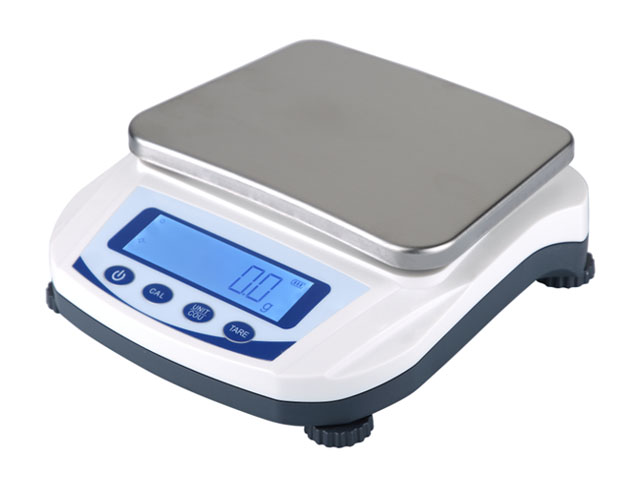
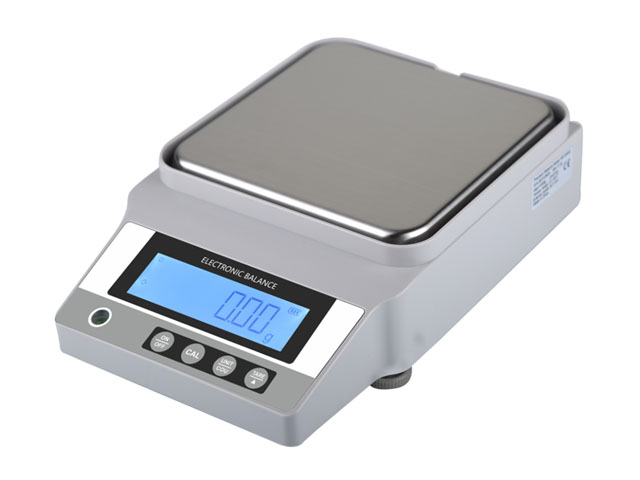
Veidt Weighing is a Precision Balance factory in china. Precision balance is an indispensable high-precision weighing device in modern laboratories, capable of measuring the mass of substances ranging from 0.1 milligrams to several kilograms. Compared with ordinary electronic scales, precision scales have higher resolution, better stability, and more advanced weighing technology, and are widely used in fields such as pharmaceuticals, chemicals, scientific research, jewelry identification, and quality control.
The core value of precision scales lies in their measurement accuracy, with high-end models having a resolution of up to 0.01mg and the ability to detect almost imperceptible changes in mass. This high-precision characteristic makes it a fundamental equipment for production processes and research experiments that require strict quality control.
The core technology of precision balance
Electromagnetic force compensation technology
Modern precision scales commonly use the principle of electromagnetic force compensation to calculate sample mass by measuring the current required to maintain the position of the scale plate unchanged. This technology eliminates friction errors in mechanical lever systems, greatly improving measurement accuracy and repeatability.
Temperature compensation system
The precision balance is equipped with a high-sensitivity temperature sensor and compensation algorithm, which can monitor environmental temperature changes in real time and automatically adjust measurement parameters. Temperature fluctuations are one of the main factors affecting weighing accuracy, and advanced scales can minimize the impact of temperature.
Seismic and windproof design
The precision balance adopts a multi-stage shock absorption system, including mechanical shock absorption devices and electronic filtering technology, effectively isolating environmental vibration interference. The fully enclosed weighing room and airflow control system (windproof cover) can eliminate the influence of air flow on the weighing results.
Intelligent calibration technology
Modern precision balances have automatic internal calibration functions, and some models also have temperature triggered calibration and timed calibration functions to ensure that the balance maintains optimal performance throughout the entire use process. Some high-end models also support automatic recognition and calibration programs for external calibration weights.
Classified by accuracy level
Analytical balance: highest accuracy, resolution of 0.1mg-0.01mg
Semi micro balance: resolution 0.01mg-0.01mg
Precision electronic balance: resolution 1mg-0.1mg
Industrial precision balance: large capacity, relatively low resolution
Classified by functional characteristics
Conventional precision balance: basic weighing function
Moisture determination balance: integrated heating device, can determine the moisture content of the sample
Density measurement balance: equipped with density measurement components
Animal weighing scale: specially designed for weighing live animals, with dynamic weighing mode
Key performance parameters of precision balance
Maximum weighing range: the maximum mass value that a balance can measure
Readability (resolution): The minimum unit of mass displayed on a balance
Repeatability: Consistency in the results of multiple measurements of the same load
Linear error: the deviation between the measured value and the true value over the entire range
Stable time: the time required to reach a stable reading after placing the sample
Calibration methods: internal calibration, external calibration, or automatic calibration
Environmental adaptability: working temperature range and humidity range
Installation environment requirements
A stable workbench to avoid vibration
Stay away from air conditioning vents and doors and windows
The ambient temperature fluctuation does not exceed ± 2 ° C/hour
Maintain relative humidity between 45% and 60%
Avoid strong electromagnetic interference sources
Daily usage precautions
Preheat thoroughly before use (usually for more than 30 minutes)
Regular calibration (according to the manufacturer's recommended frequency)
Close the windproof cover door during weighing
Avoid exceeding the maximum range
Keep the weighing room clean
Use appropriate containers to avoid static electricity interference
Calibration and maintenance
Develop a calibration plan based on usage frequency
Use certified standard weights
Regularly clean the weighing sensor
Avoid placing corrosive substances directly on the weighing plate
Power off and store properly when not in use for a long time
Application fields of precision balance
Pharmaceutical industry: raw material weighing, formula validation, drug packaging testing
Chemical laboratory: reagent preparation, reactant weighing, yield calculation
Food Industry: Nutrient Analysis, Packaging Weight Control
Jewelry: Accurate weighing of precious metals and gemstones
Research institutions: Materials research, nanotechnology, biological sample analysis
Education field: Experimental teaching, scientific research training
Quality control: Sampling inspection of production line samples, verification of product consistency
When choosing a precision balance, the following factors should be considered:
Measurement requirements: Determine the required resolution and range
Usage environment: Evaluate the impact of laboratory conditions on the performance of the balance
Functional requirements: Do special functions such as statistical calculations, animal weighing, etc. are needed
Budget scope: Balancing performance requirements and cost inputs
After sales service: manufacturer's technical support and service network
Scalability: Possible future upgrades and functional expansion requirements
As a fundamental tool in modern measurement science, the development of precision balance technology will continue to drive progress in scientific research and industrial production. With the development of materials science, electronic technology, and artificial intelligence, future precision scales will become more intelligent, accurate, and reliable, providing stronger support for the precise measurement needs of various industries.
Learn more about electronic precision balance, digital precision balance, precision balance calibration, high precision balance, precision balance weight, precision balance accuracy, laboratory precision balance, portable precision balance, precision balance calibration weight, precision balance maintenance, precision balance specification, precision balance verification, precision balance sensitivity, precision balance calibration procedure, precision balance error, industrial precision balance, precision balance accessories, precision balance price, precision balance software, precision balance calibration standard, precision balance tolerance, precision balance for chemical testing, precision balance calibration service, precision balance user manual, precision balance parts, precision balance for pharmaceutical analysis, precision balance calibration frequency, precision balance calibration method, precision balance for food inspection, precision balance calibration equipment, precision balance calibration weight set, precision balance traceability, precision balance for material science, precision balance calibration check, precision balance calibration solution, precision balance calibration record, precision balance anti-vibration pad, precision balance leveling, precision balance for quality control, precision balance calibration requirements, precision balance calibration kit, precision balance for research laboratory, precision balance linear calibration, precision balance repeatability test, precision balance for environmental testing, precision balance for industrial inspection, precision balance calibration verification standard, precision balance for weighing small samples, pls contact us.
Precision balance stands as one of the most indispensable measuring instruments in modern scientific research, industrial production, quality inspection and daily laboratory work, dedicated to delivering accurate and stable mass measurement results for various types of samples and items. Unlike conventional weighing tools that only meet rough estimation needs, precision balance is designed to capture tiny mass differences, supporting tasks that demand strict control over measurement accuracy, from basic chemical sample preparation to complex material composition analysis, from routine product quality screening to cutting-edge scientific experimental research. It has become a cornerstone equipment that bridges theoretical data and practical operation, ensuring the reliability, repeatability and traceability of mass-related data across multiple fields. The development and application of precision balance have continuously promoted the progress of quantitative analysis work, pushing the boundaries of accurate measurement and providing solid technical support for the standardization and precision of various industrial and scientific processes. Over decades of technological iteration, precision balance has evolved from traditional mechanical structures to intelligent electronic systems, integrating advanced sensing technology, circuit design and human-computer interaction logic, while still adhering to the core goal of maintaining stable and accurate mass measurement in different application scenarios.
To fully understand the working logic of precision balance, it is essential to start with its core measurement principles, which have gone through two main development stages: traditional mechanical lever principle and modern electronic force compensation principle, each with unique structural features and application advantages. The traditional mechanical precision balance relies on the equal-arm lever balance principle, which follows the basic physical law of torque balance. In this structure, the lever is supported by a precise fulcrum, with the weighing pan for placing samples on one end and the slot for placing standard weights on the other. When the torque generated by the sample’s gravity on the fulcrum is equal to the torque generated by the standard weights, the lever reaches a horizontal balance state, and the mass of the sample can be obtained by counting the total mass of the weights. This mechanical structure has the characteristics of simple principle and strong durability, and was widely used in early laboratory and industrial measurement scenarios. However, it also has obvious limitations: it requires manual operation of weight placement, repeated adjustment to reach balance, low measurement efficiency, and is easily affected by manual operation errors and environmental interference, making it difficult to meet the high-precision and high-efficiency measurement needs of modern work.
With the rapid development of electronic technology and sensor technology, modern precision balance has completely broken through the constraints of traditional mechanical structures, and most mainstream models adopt electromagnetic force compensation principle or strain gauge sensing principle as the core measurement mechanism. The electromagnetic force compensation principle is currently the most widely used in high-precision precision balance, and its working process is precise and efficient. When a sample is placed on the weighing pan, the gravity of the sample acts on the internal sensing component, driving the position of the electromagnetic coil to change slightly. The control system immediately detects this position deviation and automatically adjusts the current in the electromagnetic coil to generate a reverse electromagnetic force that offsets the sample’s gravity, pulling the sensing component back to the initial equilibrium position. In a stable state, the current intensity passing through the electromagnetic coil is directly proportional to the gravity of the sample, and the system converts the current signal into a digital mass signal through a precise circuit conversion module, which is then displayed on the screen in clear digital form. This measurement method eliminates mechanical friction and manual operation errors in the traditional lever structure, with fast response speed, high measurement accuracy and good stability, and can capture extremely small mass changes, fully meeting the needs of high-precision measurement work. The strain gauge sensing precision balance, on the other hand, realizes mass measurement by using the resistance change caused by the deformation of the strain gauge under the action of gravity. When the sample is placed on the pan, the elastic body inside the balance deforms slightly, driving the strain gauge attached to its surface to change synchronously. The resistance value of the strain gauge changes accordingly, and the circuit system converts this resistance change into a measurable voltage signal, and then calculates the mass of the sample through data processing. This type of precision balance has a more compact structure and stronger load-bearing capacity, suitable for application scenarios that require both certain measurement range and basic precision control.
The structural design of precision balance is carefully optimized around the core goal of improving measurement accuracy and reducing external interference, and each component plays an irreplaceable role in ensuring stable measurement. The weighing pan, as the direct contact component with the sample, is usually made of high-quality stainless steel material, which has good corrosion resistance, smooth surface and no easy accumulation of dust or residues, and can maintain long-term dimensional stability without affecting the measurement results due to material deformation. The level adjustment device is a basic but critical component of precision balance, usually equipped with a level bubble and adjustable support feet. Before each use, the operator needs to adjust the support feet to keep the level bubble in the center of the indicator, ensuring that the entire balance is in a horizontal state. Even a slight tilt will cause the gravity of the sample to deviate from the vertical direction of the sensing component, resulting in systematic measurement errors, so level adjustment is a necessary preparatory step before formal measurement. For high-precision precision balance models, a windproof cover is also equipped, which is usually made of transparent material and can effectively isolate the interference of external air flow on the measurement. In daily measurement, subtle air flows such as indoor ventilation, human walking and air conditioning air supply will generate slight thrust on the sample and the weighing pan, leading to unstable readings and inaccurate data. The closed space formed by the windproof cover can eliminate such interference, creating a relatively stable measurement environment for the sensing system and ensuring the authenticity of the measurement data.
In addition to the basic structural components, modern precision balance is also equipped with a wealth of functional modules to improve operational convenience and data management efficiency. The digital display screen adopts a high-definition and high-contrast design, which can clearly display measurement data, unit information and working status prompts, making it easy for operators to read and record data in real time. The operation panel is equipped with function keys such as zero setting, tare weight, unit switching and data locking, which can meet different measurement operation needs. The zero setting key can reset the balance to zero when there is a slight deviation in the initial state, providing a reliable measurement baseline; the tare weight key is especially suitable for measurement scenarios with containers, allowing the system to automatically deduct the mass of the container and directly display the net mass of the sample, simplifying the operation process and avoiding calculation errors. Some advanced precision balance models are also equipped with data transmission interfaces, which can realize real-time transmission of measurement data to external computers or recording equipment, facilitating data storage, sorting and analysis, reducing manual data entry errors and improving the efficiency of experimental and testing work. At the same time, many precision balances have built-in automatic calibration functions, which can trigger calibration procedures according to set conditions or operational needs, using internal standard mass components to correct the measurement system, maintaining the long-term stability of the measurement accuracy and reducing the workload of manual calibration.
The application fields of precision balance are extremely extensive, covering almost all industries and scientific research fields that require accurate mass measurement, and each field has unique application requirements and operational focuses. In the field of chemical research and laboratory analysis, precision balance is a basic and core instrument, undertaking the task of precise weighing of various chemical reagents, standard substances and experimental samples. In analytical chemistry experiments, the accurate weighing of trace reagents is directly related to the accuracy of experimental results and the reliability of experimental data. Whether it is the preparation of standard solutions, the calibration of chemical indicators, or the analysis of sample components, all require precision balance to provide accurate mass data to ensure the repeatability and comparability of experiments. In the field of pharmaceutical research and production, precision balance plays a vital role in the whole process of drug research and development, pilot test and large-scale production. The weighing accuracy of active pharmaceutical ingredients, auxiliary materials and additives directly affects the safety and effectiveness of drugs. Strict mass control standards must be implemented in each production link to ensure that the proportion of each component meets the formula requirements, and precision balance provides a strong guarantee for the quality control of pharmaceutical products. In the food processing industry, precision balance is used for raw material weighing, product quality testing and nutrient composition analysis, helping enterprises control the proportion of raw materials accurately, maintain stable product quality and meet relevant quality management requirements.
In the field of material science and engineering research, precision balance is widely used in the testing of material physical properties, such as the measurement of material density, moisture content, ash content and other indicators, all of which rely on accurate mass data provided by precision balance. For new material research and development, precise weighing of tiny material samples can help researchers analyze the composition and performance changes of materials, promote the research and application of new materials. In the field of environmental monitoring, precision balance is used for the weighing of air particulate matter samples, water quality sediment samples and soil samples, providing accurate basic data for environmental quality assessment and pollution source analysis. In addition, precision balance is also widely used in textile, metallurgy, electronics, jewelry and other industries, meeting the precise weighing needs of different types of items, from tiny electronic components to large-volume industrial raw materials, from precious jewelry materials to conventional industrial products, all of which cannot be separated from the support of precision balance. In daily teaching and scientific research institutions, precision balance is also an important teaching instrument to help students master the basic principles of accurate measurement and standardize experimental operation skills, laying a solid foundation for cultivating professional talents in various fields.
Standardized operation is the key to ensuring the accuracy of measurement results and extending the service life of precision balance, and each operation step needs to be carried out in strict accordance with scientific procedures. Before using precision balance, the first step is to do a good job of environmental inspection and equipment preparation. Precision balance should be placed on a stable, firm and vibration-free experimental platform, away from heat sources, direct sunlight, strong magnetic fields and corrosive gas environments. Heat sources and temperature changes will cause thermal expansion and contraction of the internal components of the balance, affecting the stability of the sensing system; strong magnetic fields will interfere with the normal operation of the electromagnetic sensing system; corrosive gases will corrode the internal precision components and reduce the service life of the equipment. At the same time, the indoor environment should keep the temperature and humidity relatively stable, avoiding large temperature fluctuations in a short time, which is conducive to maintaining the stability of the balance measurement system. After placing the balance, check the level state first, and adjust the support feet until the level bubble is in the center of the indicator to ensure that the balance is in a horizontal working state. Then turn on the power and preheat the balance for a specified time, usually requiring more than half an hour of preheating for high-precision models, so that the internal circuit and sensing components reach a stable working state, avoiding unstable readings caused by insufficient preheating.
Before formal measurement, it is also necessary to check the cleanliness of the weighing pan and the inside of the balance, and use a soft brush or clean lint-free cloth to remove dust, residues and other impurities on the surface to avoid affecting the measurement results. When placing the sample, it should be gently placed in the center of the weighing pan to avoid corner load errors caused by uneven stress on the sensing component. For liquid samples, corrosive samples or volatile samples, they must be placed in a sealed, clean and dry container for measurement, and direct contact with the weighing pan is strictly prohibited to prevent corrosion or pollution of the equipment. For samples with temperature differences from the indoor environment, they should be placed in the laboratory for a period of time in advance to allow the sample temperature to be consistent with the ambient temperature, avoiding the formation of micro air flow due to temperature differences, which will cause unstable readings and measurement errors. During the measurement process, the operator should move gently, avoid large movements causing air flow vibration, and do not touch the balance at will to ensure that the measurement system is in a stable state. After placing the sample, wait for the reading to stabilize completely before recording the data, and do not rush to record when the data is floating, so as to ensure the authenticity and accuracy of the measurement data.
After each use of precision balance, timely cleaning and finishing work should be carried out to maintain the good condition of the equipment. First, remove the sample and container from the weighing pan, and use a special cleaning tool to clean the weighing pan, windproof cover and internal space carefully to remove residual samples and impurities. For stubborn stains, use a mild cleaning agent for wiping, and avoid using strong corrosive cleaning products to prevent damage to the equipment surface and internal components. After cleaning, keep the inside of the balance dry, and close the windproof cover and cover the dust cover to prevent dust accumulation. At the same time, arrange the experimental site and keep the surrounding environment of the balance tidy. For long-term non-use of the balance, regular power-on and inspection work should be carried out to avoid performance degradation caused by long-term placement, and ensure that the equipment can be put into normal use at any time. In the process of daily use, it is strictly prohibited to place overweight samples on the balance, which will cause permanent damage to the internal sensing components and reduce the measurement accuracy, even leading to the complete failure of the equipment. Operators should always keep in mind the load range of the balance and strictly abide by the operating specifications to avoid human damage to the equipment.
Daily maintenance and regular calibration are important guarantees to maintain the long-term stability of precision balance measurement accuracy and ensure the reliability of measurement data. Precision balance, as a high-precision measuring instrument, its internal sensing components, circuit systems and mechanical structures will be affected by long-term use, environmental changes and external forces, leading to slight changes in measurement performance, so regular maintenance and calibration are essential. Daily maintenance mainly includes environmental maintenance, surface cleaning and functional inspection: keep the working environment of the balance clean, dry and stable, avoid dust, moisture and corrosive substances invading the inside of the equipment; regularly clean the appearance and internal accessible parts of the balance to keep the equipment tidy; check the level state, key functions and display status of the balance every day to find and deal with abnormal problems in a timely manner. Regular calibration is to correct the measurement deviation of the balance by using standard mass weights, ensuring that the measurement results of the balance are traceable and accurate. The calibration frequency should be determined according to the frequency of use, application scenarios and environmental conditions of the balance. For equipment used frequently in high-precision measurement scenarios, the calibration frequency should be appropriately increased; for equipment used in harsh environments, more frequent calibration and maintenance are also required.
Calibration work should be carried out under stable environmental conditions, using standard weights that meet the measurement requirements, and operated in strict accordance with the calibration procedures. During calibration, first preheat the balance fully, adjust the level state, then place the standard weight on the weighing pan according to the steps, compare the displayed value of the balance with the standard mass value, and carry out systematic correction if there is a deviation. After calibration, verify the measurement accuracy of the balance again to ensure that the deviation is within the allowable range. In addition to regular calibration, the balance should also be calibrated again after moving positions, long-distance transportation, maintenance or major environmental changes, to avoid measurement accuracy deviation caused by position changes or component adjustments. For the standard weights used for calibration, they should also be properly maintained and regularly verified to avoid dust, oxidation and deformation of the weights, ensuring the accuracy of the calibration reference. Operators should receive professional training, master the correct maintenance methods and calibration procedures, and establish a complete equipment use and maintenance record, which records the use time, measurement tasks, maintenance content, calibration results and abnormal conditions of each time, providing a reference for the daily management and maintenance of the equipment.
In the actual use of precision balance, various factors may lead to measurement errors, and it is very important to identify the sources of errors and take targeted control measures to improve the accuracy of measurement results. The main sources of measurement errors can be divided into environmental errors, human errors, equipment errors and sample errors. Environmental errors are mainly caused by unstable temperature and humidity, air flow, vibration, magnetic field interference and uneven placement of the balance. For example, temperature changes will cause the deformation of the sensing components, changing the measurement baseline; subtle air flow will cause floating readings; platform vibration will affect the stability of the balance system. Human errors are mainly caused by non-standard operations of operators, such as insufficient preheating, unadjusted level, improper sample placement, premature data recording, uncleaned weighing pan and other irregular operations, as well as manual reading and recording errors. Equipment errors are related to the performance of the balance itself, such as aging of sensing components, wear of mechanical parts, system drift and uncalibrated deviation, which will affect the measurement accuracy. Sample errors include sample moisture absorption, volatilization, static electricity, temperature inconsistency and uneven composition, leading to deviations between the measured mass and the actual mass.
To reduce measurement errors, comprehensive control and optimization should be carried out from multiple aspects. First, optimize the placement environment of the balance, choose a stable, vibration-free, constant temperature and humidity, and non-corrosive gas space, install shock absorption measures if necessary, isolate external magnetic field interference, and use windproof covers to eliminate air flow effects. Second, strengthen the professional training of operators, standardize the operation process, require strict compliance with preheating, level adjustment, cleaning, sample placement and data recording procedures, cultivate good operation habits, and reduce human errors. Third, do a good job in daily maintenance and regular calibration of the equipment, timely deal with the aging and wear problems of the equipment, keep the measurement performance of the balance stable, and ensure that the equipment is in a good working condition. Fourth, standardize the sample pretreatment process, for samples that are easy to absorb moisture, volatilize or carry static electricity, take targeted treatment measures, keep the sample temperature consistent with the ambient temperature, and ensure that the sample is placed evenly and stably. By comprehensively controlling various error factors, the accuracy and reliability of precision balance measurement can be effectively improved, ensuring that the measurement data can truly reflect the actual mass of the sample.
With the continuous development of science and technology and the increasing demand for precise measurement in various fields, the technology of precision balance is also constantly innovating and upgrading, moving towards a more intelligent, efficient and stable direction. In terms of sensing technology, more sensitive and stable sensing components are being developed and applied, further improving the measurement accuracy and response speed of the balance, and being able to adapt to more complex application environments. In terms of intelligent design, modern precision balance is increasingly integrating intelligent control systems, with functions such as automatic fault detection, automatic calibration, data automatic storage and abnormal data early warning, reducing the dependence on manual operation and judgment, and improving the convenience and accuracy of equipment use. Some advanced models can also realize remote monitoring and operation of the equipment through network connection, facilitating the unified management and data analysis of multiple measuring instruments, and meeting the needs of modern intelligent laboratory and industrial production line management. At the same time, the structural design of precision balance is also continuously optimized, focusing on improving the durability and corrosion resistance of the equipment, simplifying the operation process while ensuring measurement accuracy, making the equipment more user-friendly and suitable for different operators and application scenarios.
In the future, with the further development of automation technology, artificial intelligence and big data technology, precision balance will be more deeply integrated with various intelligent systems, realizing the full automation of measurement, data transmission, analysis and storage, and further improving the efficiency of quantitative measurement work. The application scope of precision balance will also continue to expand, adapting to the emerging measurement needs in new materials, new energy, biomedicine and other fields, and providing more accurate and reliable mass measurement support for the development of various scientific researches and industries. However, no matter how the technology upgrades, the core value of precision balance will always remain unchanged: to provide accurate, stable and traceable mass measurement data. For users, mastering the basic principles, standardizing operation and maintenance management, and controlling measurement errors are always the key to giving full play to the performance of precision balance. Only by combining advanced equipment technology with scientific operation and management can we ensure the accuracy of measurement results, make precision balance better serve various fields of scientific research, production and testing, and promote the continuous progress and development of related industries.
In summary, precision balance is not only a simple measuring tool, but also an important guarantee for the standardization, precision and reliability of modern scientific research and industrial production. Its technical level directly affects the accuracy of experimental data, the stability of product quality and the scientificity of quality testing. From the evolution of measurement principles to the optimization of structural design, from standardized daily operation to regular maintenance and calibration, from error source analysis to targeted control, every link is closely related to the normal operation and measurement accuracy of the balance. In practical application, we should attach great importance to the daily management and standardized use of precision balance, continuously improve the professional quality of operators, keep abreast of the development trend of balance technology, and make full use of the performance advantages of precision balance to provide accurate and efficient measurement services for various work. With the continuous progress of technology and the continuous improvement of management standards, precision balance will play a more important role in more fields, and become a reliable partner in the process of pursuing accurate measurement and promoting scientific and technological progress.
